Charting the Move from Traditional Promotions to Blockchain-Driven Rewards on Handheld Devices
Written by Wendy Zimmermann · Jun 6, 2026
Charting the Move from Traditional Promotions to Blockchain-Driven Rewards on Handheld Devices
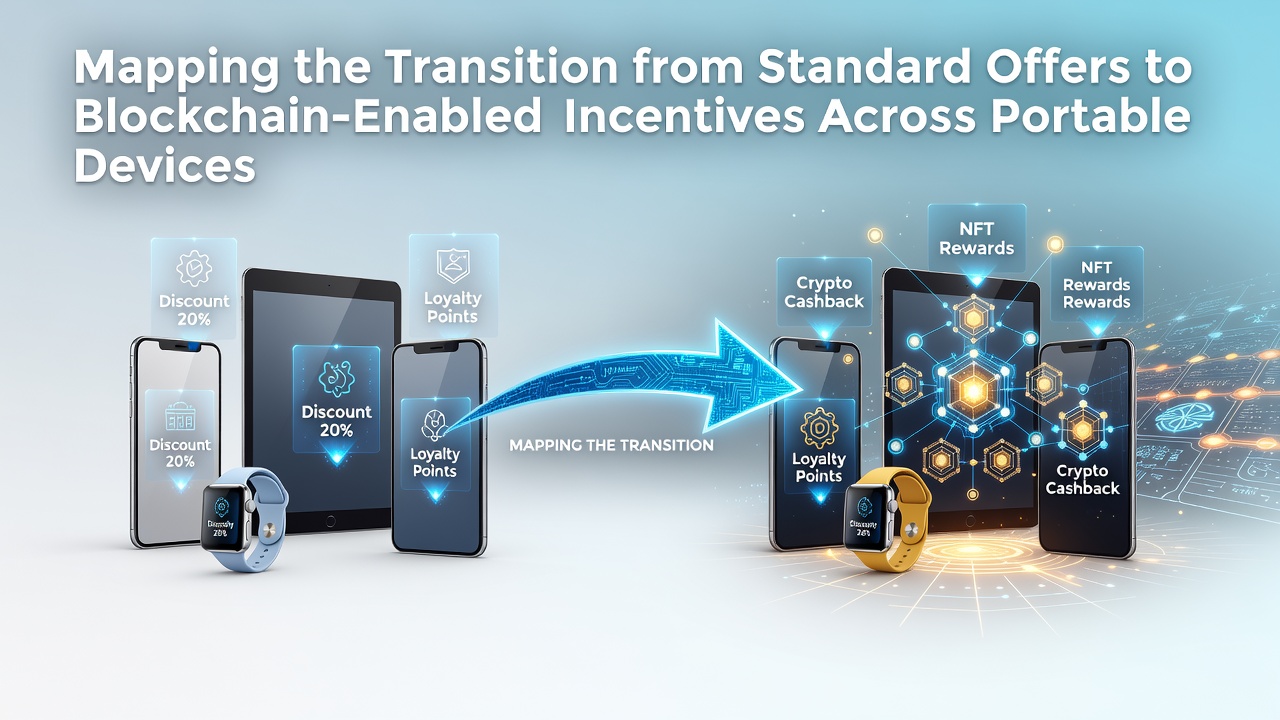
Portable devices have long served as platforms for standard offers such as digital coupons, loyalty points, and app-based promotions, yet the underlying infrastructure has undergone measurable changes as distributed ledger technologies gain traction in incentive delivery systems. Research indicates that by early 2026 mobile reward programs reached over 4.2 billion active users worldwide, with adoption rates climbing steadily across consumer electronics markets in Asia, Europe, and North America. Data from industry tracking firms shows that conventional systems relied on centralized databases managed by single operators, creating points of failure and limited interoperability between different service providers.
Early Frameworks for Mobile Incentives
Initial mobile incentive models emerged in the late 1990s through SMS-based discount codes and simple carrier billing integrations, expanding rapidly after the introduction of app stores in 2008. Those who analyzed transaction logs from that period note that redemption rates hovered around 12 percent for basic offers, rising only when location-based targeting improved through GPS integration on smartphones. Centralized ledgers handled verification processes, requiring users to maintain separate accounts for each merchant ecosystem, which fragmented user data across multiple platforms. Studies conducted by academic teams at institutions in Singapore documented how these limitations prompted early experiments with tokenization starting around 2015, although widespread implementation remained constrained by scalability concerns and regulatory uncertainty in many jurisdictions.
Drivers Behind the Integration of Blockchain Systems
Technical advancements in mobile processors and secure element chips facilitated the shift toward blockchain-enabled incentives, allowing devices to process cryptographic verifications locally without constant server calls. Figures released in June 2026 by the European Blockchain Observatory and Forum reveal that mobile wallet applications supporting smart contract interactions increased by 67 percent year-over-year, particularly in regions with high smartphone penetration such as South Korea and Germany. Portable devices now incorporate hardware-backed key storage that supports private key management for digital assets, reducing reliance on third-party custodians. Industry reports from the Canadian Institute for Cybersecurity highlight how zero-knowledge proofs embedded in mobile operating systems enable verification of eligibility for incentives while preserving user privacy, addressing earlier concerns about data exposure in traditional systems.
Implementation Patterns Observed Across Markets
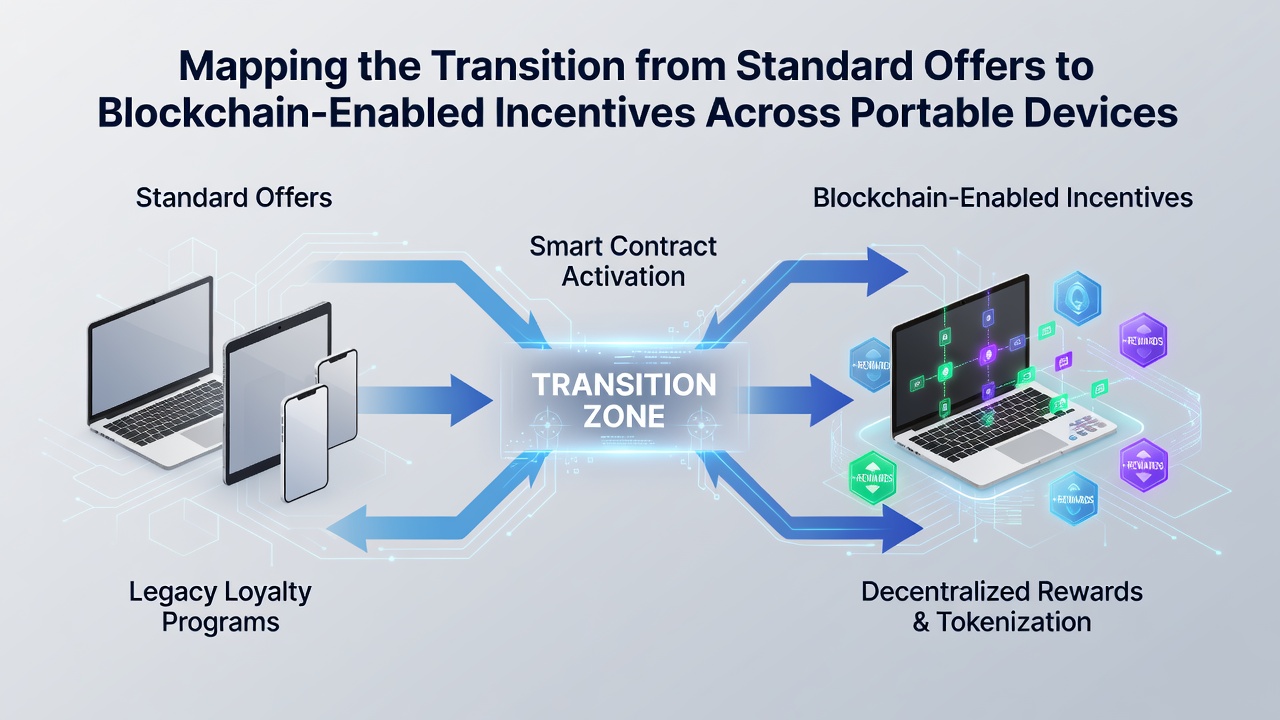
Developers have rolled out hybrid models that combine existing loyalty infrastructures with blockchain layers for auditability and cross-platform transferability. One documented case involved a Southeast Asian telecommunications provider that migrated its points system to a permissioned ledger in 2024, resulting in a reported 28 percent reduction in reconciliation disputes according to internal metrics shared with research partners. In Australia, government-supported trials through the Digital Transformation Agency tested blockchain tokens for public transport rewards, demonstrating seamless redemption across multiple state-operated apps without requiring users to convert balances manually. These implementations typically feature smart contracts that automate distribution based on predefined conditions such as usage thresholds or time-based triggers, executed directly on the device after cryptographic confirmation.
Technical and Regulatory Considerations in 2026
Interoperability standards developed by groups such as the World Wide Web Consortium have supported consistent handling of tokenized incentives across different device manufacturers and operating systems. Data compiled through mid-2026 indicates that over 340 million mobile devices worldwide now carry native support for at least one blockchain protocol optimized for micro-transactions. Regulatory bodies including the Monetary Authority of Singapore have issued guidelines clarifying how tokenized rewards fall under existing electronic money frameworks, providing clearer pathways for operators while maintaining consumer protection requirements. Observers note that energy consumption metrics for these mobile-optimized ledgers have dropped significantly through the adoption of proof-of-stake variants and layer-two scaling solutions, making sustained use feasible on battery-powered hardware.
Measured Outcomes from Deployed Systems
Analytics platforms tracking reward ecosystems report that blockchain-based incentives achieve higher retention metrics in controlled comparisons, with one multi-country study by researchers at the University of Melbourne finding average user engagement periods extended by 41 percent when tokens offered programmable transfer features. Fraud detection improves because each transaction carries an immutable record verifiable through distributed consensus rather than single-point audits. Portable device manufacturers have begun embedding application programming interfaces that allow developers to query ledger states directly, streamlining the integration process for new incentive programs without extensive backend modifications.
Conclusion
The progression from centralized offer management to blockchain-enabled structures on portable devices continues to unfold through incremental technical refinements and coordinated standardization efforts. Available data as of June 2026 illustrates measurable shifts in how incentives are issued, verified, and redeemed, supported by hardware capabilities and evolving policy frameworks across multiple regions. Continued monitoring by research institutions and regulatory authorities will track further developments in this domain as adoption expands.