Digital Asset Reward Flows in Portable Entertainment Systems
Written by Klara Simon · Sep 6, 2026
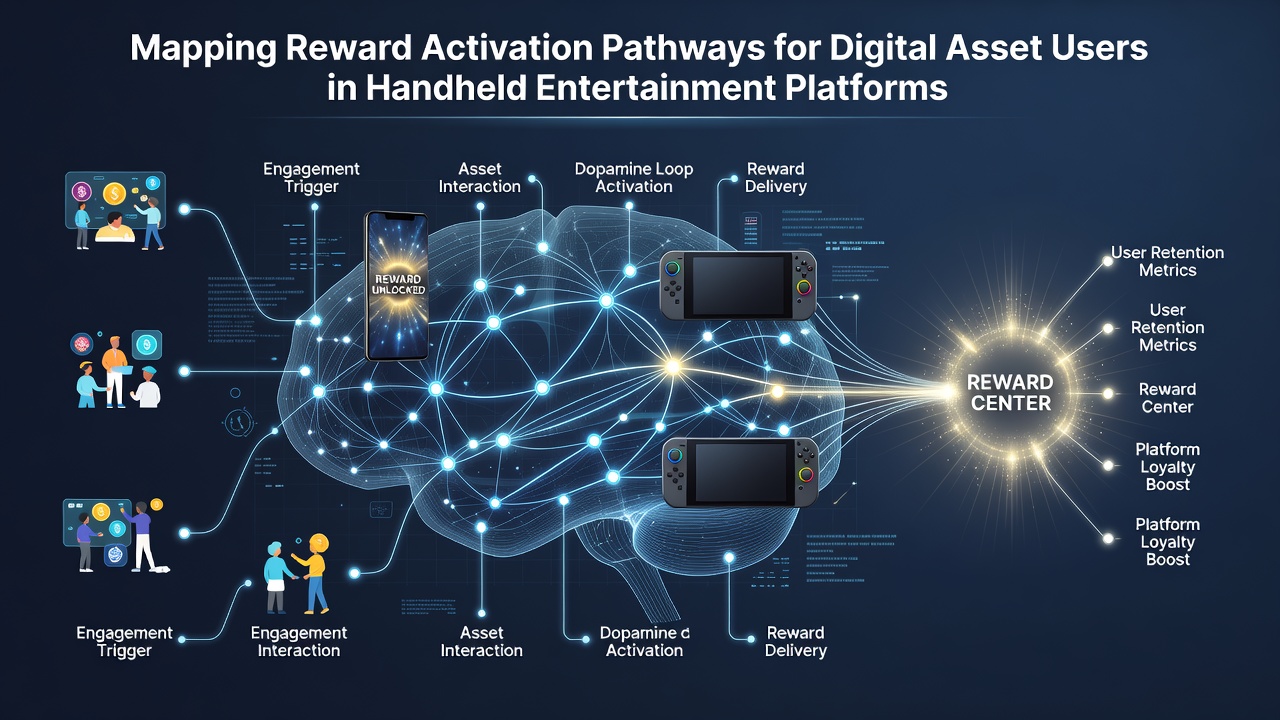
Digital Asset Reward Flows in Portable Entertainment Systems
Digital asset integration within handheld entertainment platforms has expanded steadily, with researchers tracking how users activate rewards through cryptocurrency wallets, token systems, and blockchain-linked accounts. Studies from multiple institutions show that these pathways typically involve authentication steps, asset verification, and platform-specific triggers that convert holdings into in-app benefits such as upgrades, virtual items, or access privileges. Data collected across North American and European markets indicates adoption rates climbed notably by September 2026, particularly in games supporting cross-device synchronization.
Core Components of Activation Pathways
Observers note that successful reward activation begins with wallet linkage, where users connect external digital asset accounts to the entertainment application through secure APIs. This step requires confirmation of asset ownership, and once verified the system checks eligibility against predefined criteria such as minimum token balances or transaction history. Engineers at several development studios have documented that delays often arise during the verification phase when network congestion affects blockchain queries, prompting platforms to implement cached status checks that reduce wait times.
Platform designers further incorporate multi-factor elements including biometric confirmation on handheld devices and session-based tokens to prevent unauthorized redemptions. Research from academic groups at universities in Canada and Australia reveals that users who complete these steps experience activation within seconds on optimized networks, whereas legacy systems can extend the process to minutes. The pathways also account for regional regulatory variations, with some jurisdictions requiring explicit consent logs before any asset movement occurs.
Technical Mapping Techniques
Analysts employ graph-based models to visualize these sequences, representing each stage as a node connected by conditional edges that reflect success or failure outcomes. One study released in mid-2026 illustrated how handheld operating systems influence the flow, since iOS and Android handle secure storage differently and thereby alter the speed of asset confirmation. Companies tracking user behavior report that mobile-specific friction points, such as interrupted network access during travel, account for a measurable portion of incomplete activations each month.
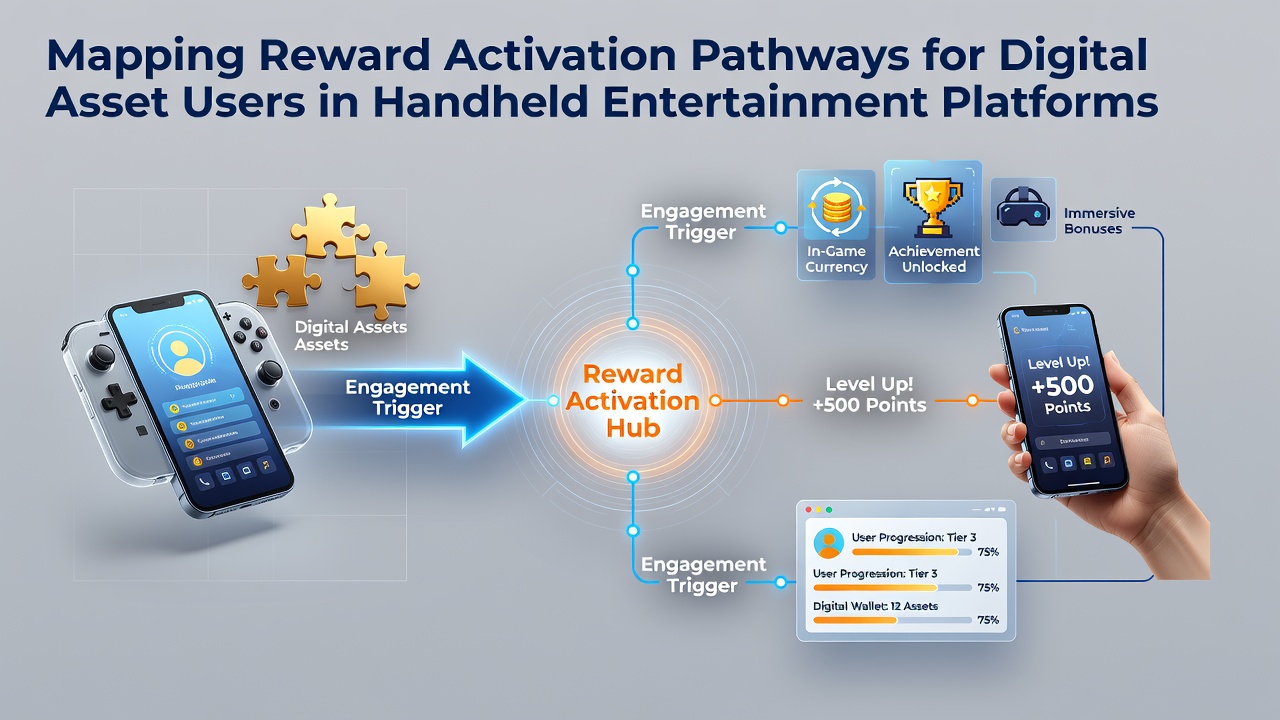
Software tools now allow real-time monitoring of these pathways, enabling operators to identify bottlenecks where users abandon the process. Figures from industry reports show that simplifying the initial wallet pairing reduces drop-off by measurable margins across tested applications. Those who have examined large datasets emphasize the role of standardized protocols, which facilitate smoother transitions between different handheld devices without requiring repeated verifications.
Regional Variations and Data Trends
Regulatory bodies in the European Union and Australia have issued guidelines that shape how platforms structure reward pathways, particularly around consumer protection disclosures. In contrast, North American frameworks focus more on technical security standards, leading developers to adopt region-specific modules that adjust activation flows accordingly. Statistics compiled by research organizations indicate that platforms serving multiple territories maintain separate logging systems to comply with local requirements while preserving a unified user experience.
September 2026 data highlighted increased interest in cross-border asset use, where travelers activate rewards earned in one jurisdiction while using devices registered elsewhere. This trend prompted several entertainment providers to refine their mapping processes with additional geo-fencing checks that maintain compliance without disrupting legitimate activity.
Future Developments in Pathway Design
Engineers continue refining these systems through iterative testing, incorporating feedback from large user cohorts to streamline transitions between verification stages. Industry associations have begun sharing anonymized datasets that help smaller studios replicate effective models without starting from scratch. Observers tracking the sector note that emerging standards for digital asset interoperability could further reduce the complexity of activation sequences across competing handheld platforms.
Conclusion
Mapping reward activation pathways remains an ongoing technical and regulatory exercise that connects digital asset management with handheld entertainment delivery. Evidence from ongoing studies and operational reports demonstrates measurable progress in reducing friction while maintaining security standards, with platforms adapting to new data patterns as adoption widens. Continued collaboration among developers, regulators, and researchers supports more efficient flows that align with user expectations across diverse markets.