Emerging Patterns in Recruiting Players With Short Duration Spins Across Blockchain Payment Systems
Written by Klara Werner · Aug 24, 2026
Emerging Patterns in Recruiting Players With Short Duration Spins Across Blockchain Payment Systems
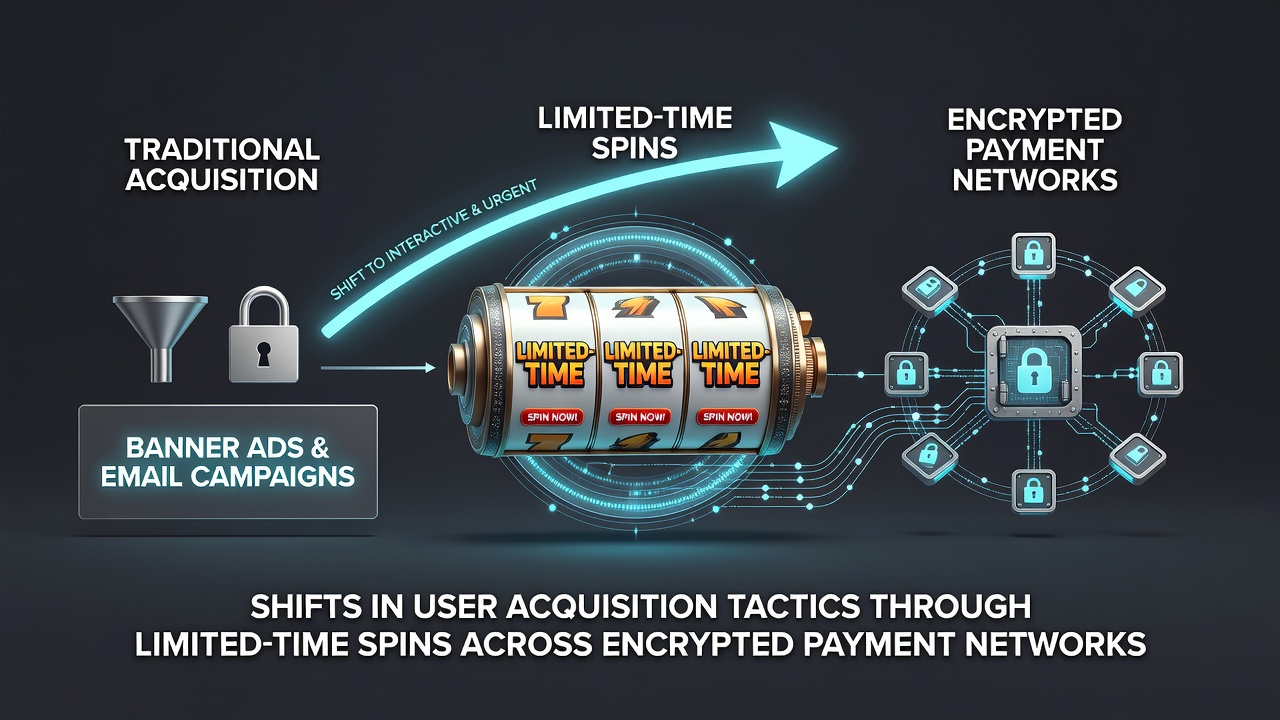
Digital gaming platforms have adjusted their player recruitment approaches since early 2025 as operators integrate time-bound spins with encrypted transaction layers to reach new audiences, and these changes accelerated through August 2026 when several networks reported measurable uptake in crypto-based onboarding flows. Industry observers note that limited-time spins function as entry points that reduce friction during initial deposits while maintaining compliance with varying regional rules on promotional mechanics.
Core Mechanics of Time-Limited Spins in Encrypted Networks
Operators structure these spins around short validity windows that require players to complete verification steps through privacy-preserving payment rails such as zero-knowledge proof channels or multi-signature wallets, and this setup allows platforms to track acquisition without exposing full transaction histories. Data compiled by research teams at the University of Sydney's Gambling Research Centre shows that campaigns using 24-hour spin windows on encrypted networks achieved conversion rates 18 percent higher than standard bonus offers during the first half of 2026.
Encryption protocols handle the spin credits as tokenized assets that expire automatically once the window closes, which minimizes lingering liabilities on operator ledgers and simplifies audit trails for regulatory bodies. Those who manage such systems report that integration with layer-two blockchain solutions cuts settlement times to under three seconds in most tested environments.
Regional Adoption Trends Through Mid-2026
North American operators began piloting encrypted spin campaigns in select provinces during spring 2026 while European entities focused on cross-border wallet compatibility standards that emerged after updates from the Malta Gaming Authority. Australian platforms followed with trials tied to local payment gateways that support encrypted micro-transactions, and figures from these initiatives indicate a 27 percent increase in first-time wallet linkages compared with the prior year.
Platforms that combined spin offers with progressive verification tiers saw repeat engagement metrics climb steadily, because players who completed the initial encrypted transaction often returned within the same session to explore additional game types. Analysts tracking these patterns emphasize that success depends on clear expiration messaging rather than extended promotional language.

Technical Integration and Security Considerations
Developers embed spin mechanics directly into smart contract templates that trigger on deposit confirmation, and these contracts automatically revoke unused credits after the designated period without requiring manual intervention. Security audits conducted by independent firms in Canada and Singapore during July 2026 confirmed that properly implemented encryption layers reduce exposure to replay attacks that previously affected open payment channels.
Operators coordinate with wallet providers to pre-load spin balances as non-transferable tokens, which prevents secondary market leakage while still delivering the promotional value to the intended recipient. This approach aligns with emerging standards from the Asia Pacific Association of Gaming Regulators that stress traceability without compromising user privacy.
Measurement Frameworks Used by Operators
Acquisition teams rely on cohort analysis that isolates spin-driven sign-ups from organic traffic, and they cross-reference these cohorts against encrypted network logs to calculate lifetime value projections. Reports compiled in August 2026 by multiple platform operators revealed that users acquired through encrypted spin routes exhibited 14 percent higher retention at the 30-day mark than those who entered via conventional bonus routes.
Attribution models now incorporate on-chain timestamps to verify that the spin activation occurred within the stated window, which reduces disputes during payout reviews. Such models also allow platforms to adjust campaign parameters in real time based on network congestion metrics rather than waiting for end-of-month summaries.
Conclusion
Shifts toward time-limited spins on encrypted payment networks reflect broader changes in how digital gaming platforms manage player entry points while meeting security and compliance expectations across jurisdictions. Continued monitoring of transaction volumes and retention data through the remainder of 2026 will clarify whether these tactics sustain their initial performance levels or require further refinement as networks scale.