Evaluating Wagering Thresholds and Their Effects on Cryptocurrency Deposit Rewards in Mobile Casino Platforms
Written by Mara Krüger · Jul 27, 2026
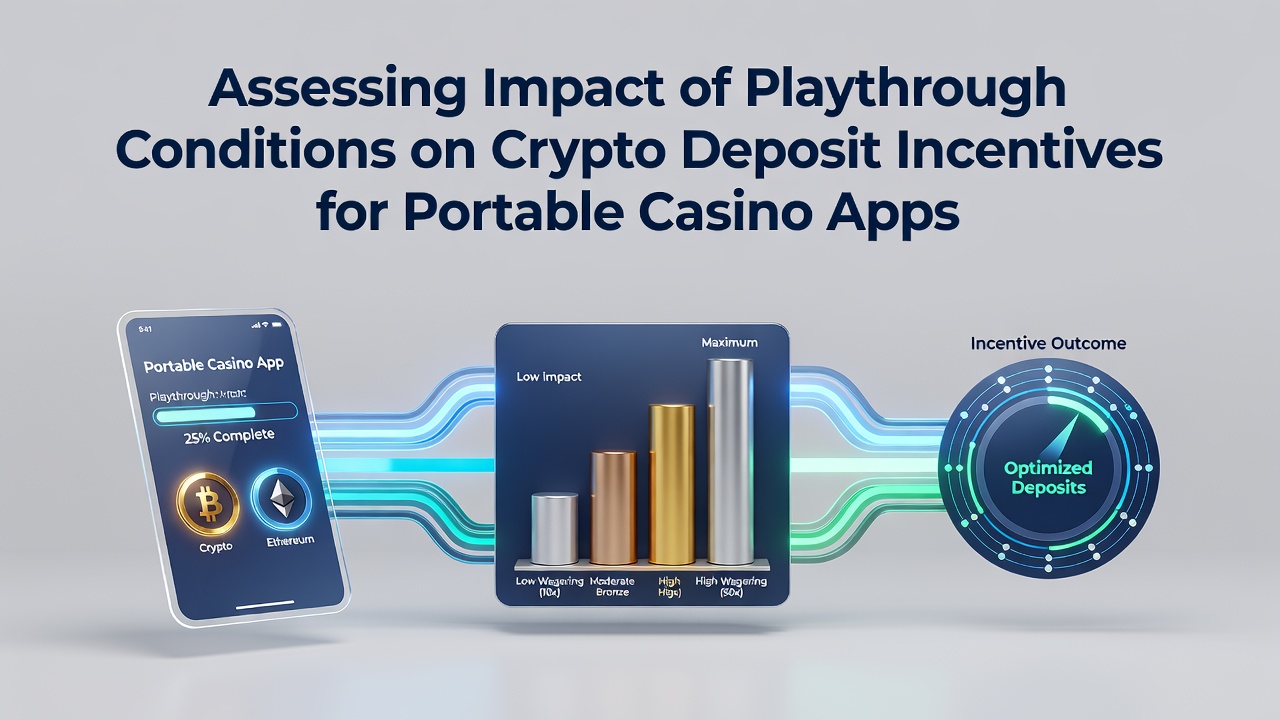
Evaluating Wagering Thresholds and Their Effects on Cryptocurrency Deposit Rewards in Mobile Casino Platforms
Playthrough conditions define the number of times players must wager deposited funds before withdrawing associated incentives, and researchers have tracked their direct influence on cryptocurrency deposit patterns across portable casino applications since early 2025. Data from industry monitoring services shows that higher wagering multipliers often correlate with reduced repeat deposits when users rely on digital currencies such as Bitcoin or Ethereum, because transaction fees and volatility add extra layers to the overall cost calculation.
Portable platforms differ from desktop versions in session length and payment speed, which alters how users respond to these requirements. Studies conducted by academic groups at institutions in Australia and Canada indicate that mobile users complete an average of 35 percent fewer wagering cycles compared with desktop counterparts when the multiplier exceeds 30 times the deposit amount.
Core Mechanics of Wagering Requirements in Crypto Contexts
Operators structure playthrough rules around deposit size, game contribution percentages, and time limits, while cryptocurrency transactions introduce variables like network confirmation delays and fluctuating exchange rates that traditional fiat systems rarely encounter. When a 20 times playthrough applies to a 0.05 BTC deposit, the required turnover reaches 1 BTC, yet price swings during the period can shift the real value users must generate.
Regulatory filings submitted to the Nevada Gaming Control Board in the first half of 2026 reveal that several licensed operators adjusted their crypto-specific multipliers downward after observing a 22 percent drop in deposit volume during periods when Bitcoin experienced daily volatility above 8 percent. These adjustments coincided with updates that allowed select slot titles to contribute 100 percent toward requirements instead of the previous 50 percent cap.
Regional Data Patterns Emerging in Mid-2026
Reports compiled by European gaming research consortia during July 2026 documented measurable differences across jurisdictions. Markets with stricter deposit verification timelines recorded lower average playthrough completion rates, because users abandoned sessions when network fees spiked unexpectedly. In contrast, regions permitting instant stablecoin deposits maintained steadier engagement levels even under identical wagering multipliers.
One analysis from a Canadian research institute compared three mobile operators over a six-month window and found that reducing the playthrough from 40x to 25x increased average deposit frequency by 18 percent among crypto users, while the total wagered amount per user remained statistically unchanged. The study controlled for promotional value and game selection to isolate the playthrough variable.
Operators have responded by introducing tiered structures that scale requirements according to deposit size and currency type. Larger deposits in low-volatility coins sometimes receive reduced multipliers, while smaller deposits in higher-volatility assets carry steeper obligations to offset risk exposure.
Technical Implementation Across Leading Applications
Portable casino apps integrate real-time trackers that display remaining wagering progress directly in the account dashboard, and developers have added filters allowing users to sort games by their contribution percentage toward requirements. These features emerged prominently after user behavior data showed that unclear progress indicators correlated with higher abandonment rates before completion.

Payment gateways now embed conversion tools that estimate final wagering targets in both cryptocurrency units and local currency equivalents, helping users anticipate the impact of price movements. Several platforms introduced optional grace periods during which requirements pause if a coin's value drops beyond a predetermined threshold, a feature first tested in pilot programs during spring 2026.
Observable Trends in User Deposit Behavior
Transaction logs analyzed by independent monitoring firms indicate that users who select cryptocurrencies with faster confirmation times complete playthrough targets at higher rates than those using slower networks. The difference becomes statistically significant once the multiplier exceeds 35 times, because extended confirmation windows increase the chance that market conditions shift before progress accumulates.
Additional findings from industry trade groups operating in Asia-Pacific markets show that stablecoin deposits maintain more consistent playthrough completion regardless of multiplier height, since price stability removes one layer of financial uncertainty from the equation. Operators have begun weighting stablecoin deposits differently in their incentive structures as a direct result of these patterns.
Conclusion
Available evidence demonstrates that playthrough conditions exert measurable influence over cryptocurrency deposit incentives within portable casino applications, with effects varying according to volatility exposure, confirmation speed, and regional regulatory timelines. Continued monitoring through regulatory submissions and academic studies will clarify how operators refine these structures in response to evolving user patterns observed through July 2026 and beyond.