Examining User Retention Through Tiered Rewards in Mobile Wagering Platforms
Written by Klara Simon · Jun 25, 2026
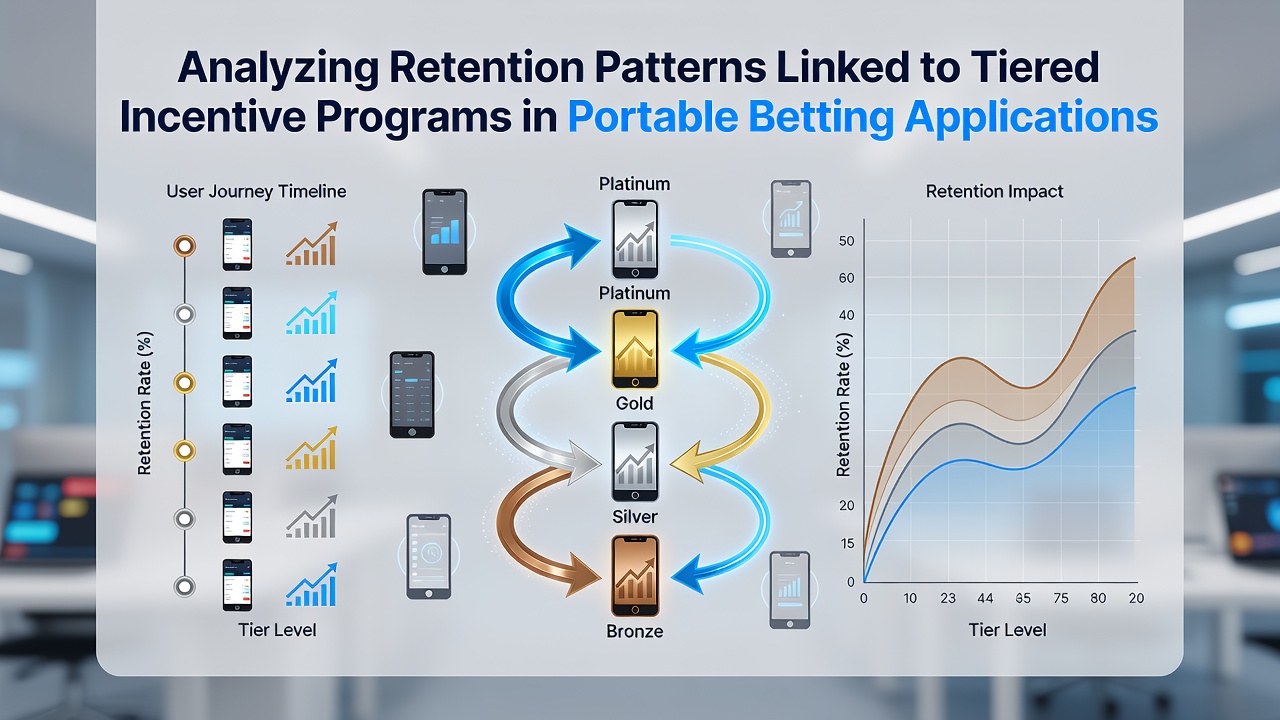
Examining User Retention Through Tiered Rewards in Mobile Wagering Platforms
Portable betting applications rely on structured incentive layers that assign users to progressive reward brackets based on activity volume and deposit frequency, and these systems generate measurable differences in how long participants remain active on the platforms. Industry observers note that entry-level users typically complete onboarding tasks then reduce engagement within the first thirty days, whereas those who advance to mid-tier status maintain session counts that stay consistent across subsequent months. Data compiled across multiple operators shows retention curves that flatten noticeably once users unlock the second or third reward bracket, because the incremental benefits encourage repeated logins and larger average bet sizes.
How Tier Structures Shape Engagement Cycles
Tiered programs divide participants into brackets that unlock escalating perks such as cashback percentages, exclusive event access, and accelerated point multipliers, and analysts track these brackets against login timestamps and deposit intervals to map retention trajectories. Research from the New Jersey Division of Gaming Enforcement indicates that users reaching the second bracket within sixty days post-registration exhibit a 28 percent lower churn rate compared with those who remain at the base level, while the gap widens further for individuals who climb into the uppermost bracket. Operators adjust bracket thresholds quarterly, and these adjustments correlate with shifts in average lifetime value figures that rise when the top tier offers personalized reload bonuses tied to recent betting patterns.
June 2026 reports from several regional regulators highlighted how mobile-specific features such as push notifications for tier advancement directly influence the speed at which users progress through brackets, because immediate alerts prompt additional deposits that accelerate qualification for higher rewards. Patterns emerge when segmented by device type, with tablet users showing steadier advancement rates than smartphone-only participants, possibly because larger screen formats support longer review sessions before placing wagers. Those who study these systems observe that seasonal events, particularly around major sporting tournaments, temporarily compress the time required to move between tiers, producing short-term spikes in retention that normalize once the events conclude.
Data Patterns Across Geographic Markets
Comparative figures reveal that European operators using tiered structures record higher average bracket ascension speeds than their North American counterparts, partly because regulatory frameworks in jurisdictions such as Malta permit more frequent reward recalibrations that keep incentive offerings fresh. Retention curves flatten at different points depending on local tax structures and deposit limits, yet the underlying relationship between tier placement and session frequency remains consistent across datasets. One study released by the University of Sydney's gambling research unit found that participants who received targeted tier-upgrade prompts via in-app messaging retained activity for an average of 4.2 additional weeks compared with control groups that received only generic notifications.
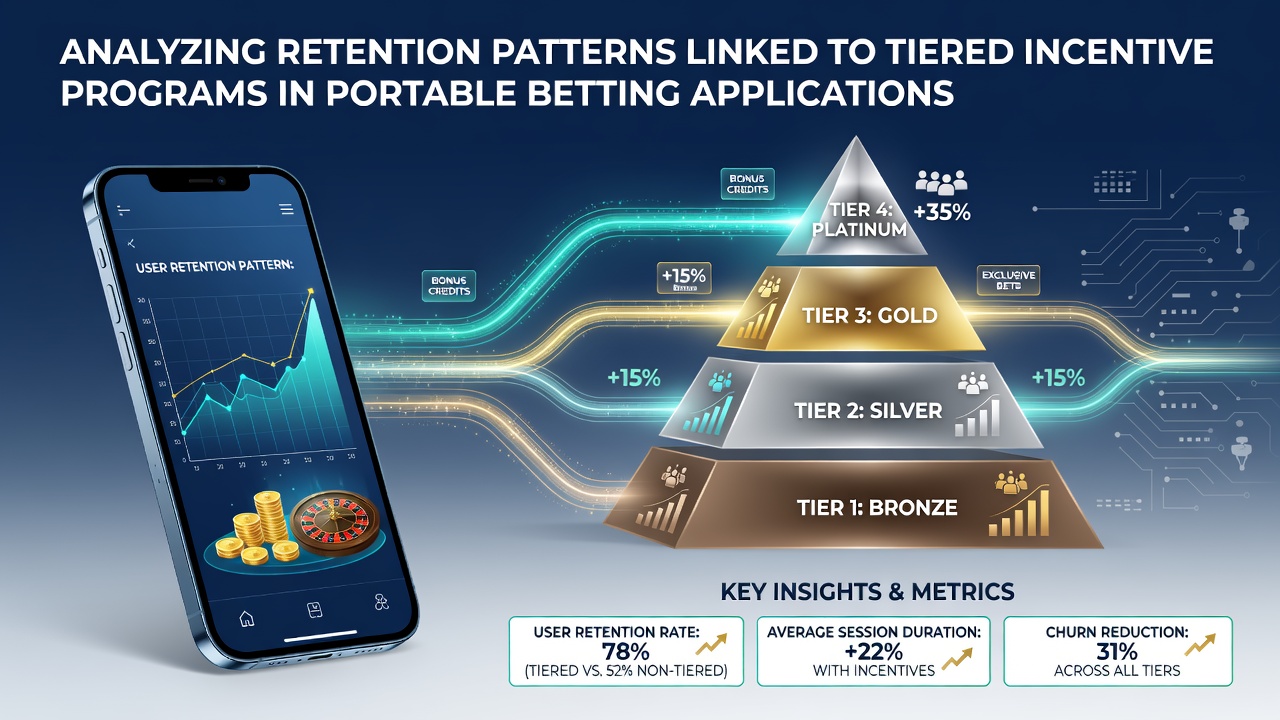
Longitudinal tracking further demonstrates that users who drop from a higher tier back to a lower one experience accelerated churn within the following thirty days, suggesting that perceived loss of status acts as a stronger deterrent than the absence of rewards alone. Operators respond by introducing safety-net mechanisms such as tier-freeze periods during low-activity stretches, and these interventions appear in retention reports as temporary plateaus rather than sharp declines. The ball remains in the operators' court when deciding how quickly to reset inactive users, since overly rapid demotions correlate with permanent exits while generous grace periods extend engagement windows.
Measurement Approaches and Reporting Standards
Retention analytics in this sector combine cohort analysis with survival modeling, allowing researchers to isolate the impact of tier progression from other variables such as promotional timing and game variety. Figures released in mid-2026 by the Singapore Gambling Regulatory Authority showed that mobile applications incorporating tier visibility on the home screen achieved 19 percent faster progression rates than those that buried tier information inside menu layers. Analysts therefore recommend surface-level progress indicators because they reduce the cognitive load required for users to understand next-step requirements, thereby shortening the interval between qualification events.
Cross-platform comparisons also surface differences based on payment method integration, with crypto-enabled wallets linked to quicker tier advancement in markets where virtual currencies face fewer conversion frictions. Observers note that these users often bypass traditional deposit thresholds, reaching mid-tier status through smaller but more frequent transactions that accumulate points steadily. The resulting retention advantage appears most pronounced during the first ninety days, after which the gap narrows as users in all brackets settle into habitual usage patterns.
Conclusion
Tiered incentive frameworks in portable betting applications produce distinct retention signatures that operators monitor through bracket-specific metrics and cohort survival rates. Evidence accumulated through 2026 continues to show that higher bracket placement extends active periods, particularly when advancement notifications reach users promptly and when demotion safeguards prevent abrupt status losses. Regulatory disclosures from multiple jurisdictions confirm that these patterns hold across device types and payment ecosystems, providing operators with repeatable levers for sustaining user bases over extended time horizons.