Identifier Systems Bridge Mobile Crypto Offer Structures with Requirement Fulfillment Processes
Written by Mara Krüger · Jun 18, 2026
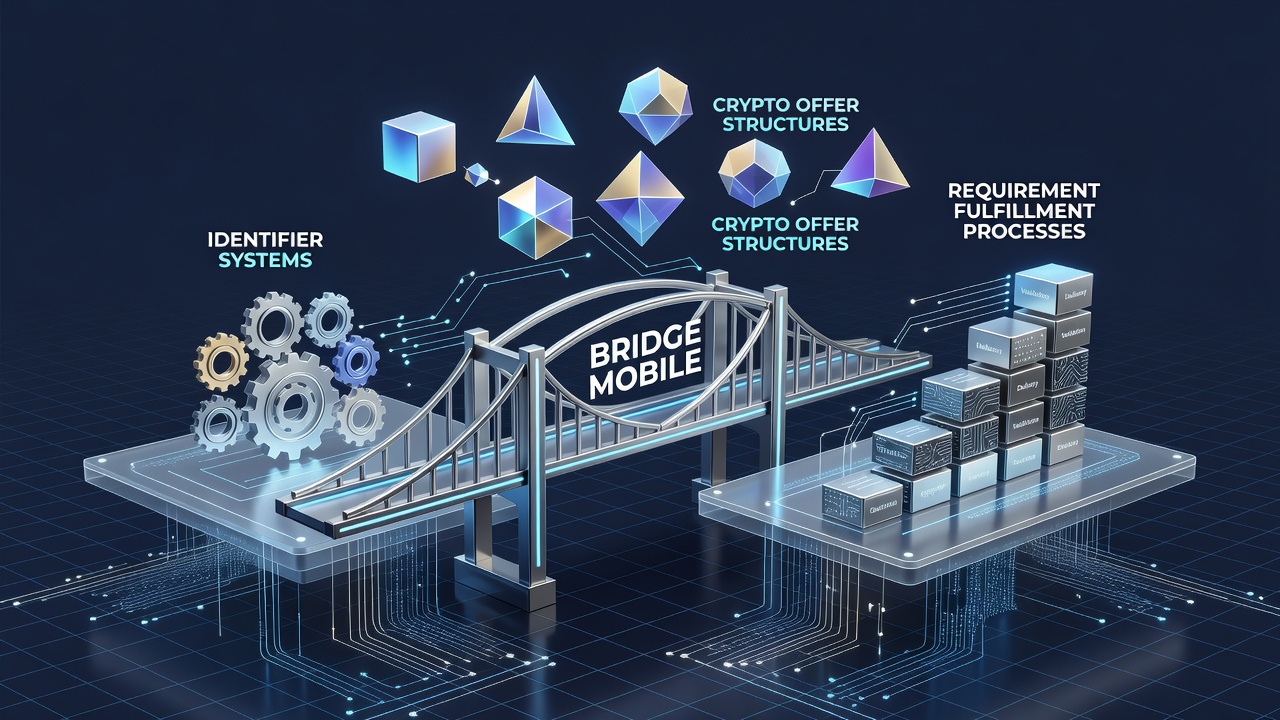
Identifier Systems Bridge Mobile Crypto Offer Structures with Requirement Fulfillment Processes
Identifier systems serve as the connective tissue between mobile cryptocurrency offer structures and the processes that verify requirement completion in digital gaming environments, and these frameworks have gained traction as platforms expand their use of virtual currencies for incentive distribution. In June 2026 operators reported increased integration of unique user identifiers that track offer eligibility while routing data through compliance checkpoints without disrupting the mobile user experience.
Core Components of Identifier Frameworks
Unique digital markers assigned at account creation allow systems to monitor how players interact with crypto-based promotions such as deposit matches or free spin allocations, and these markers link directly to backend ledgers that record wagering activity in real time. Data from industry reports indicate that platforms using layered identifier protocols achieve faster matching between offer terms and actual play patterns compared with earlier single-point verification methods.
Each identifier carries encrypted metadata that includes wallet addresses, device fingerprints, and session histories, while fulfillment engines query these records against predefined rules such as minimum bet thresholds or time-bound activity windows. Observers note that this architecture reduces manual reviews because automated scripts can flag discrepancies before rewards reach the payout stage.
Mobile Integration Patterns Observed in 2026
Developers have shifted toward API-first designs that embed identifier checks inside native mobile applications rather than routing every transaction through web portals, and this change supports lower latency when players claim crypto offers on smartphones. Research conducted by academic teams at technical universities in Asia shows that such integrations cut verification delays by measurable margins in high-volume environments.
Offer structures themselves now incorporate dynamic rules that adjust based on identifier-linked behavior profiles, for example scaling bonus percentages according to prior fulfillment rates recorded across multiple sessions. Platforms in North American and European markets have adopted these adaptive models following regulatory updates that emphasize transparent tracking of player funds converted through cryptocurrency channels.
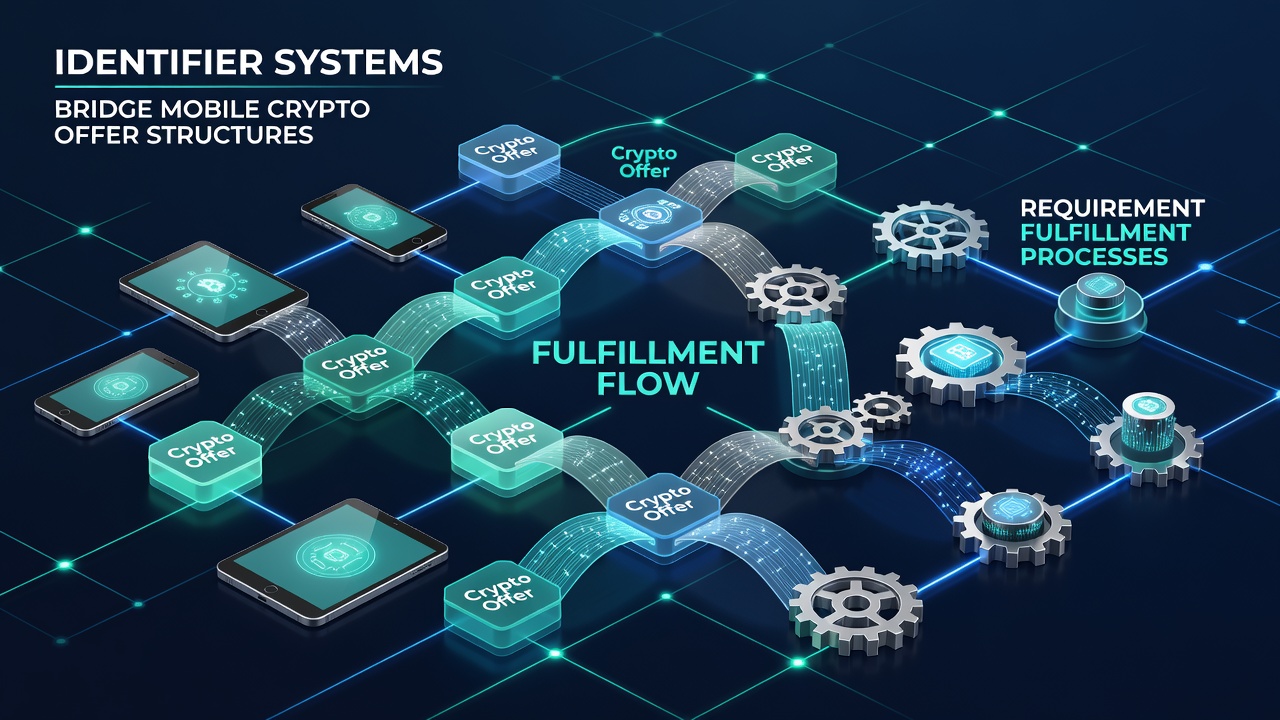
Requirement Fulfillment Workflows
Fulfillment processes begin when an identifier triggers an offer activation event, after which the system logs every qualifying transaction against stored criteria such as total wager volume or specific game categories. Once thresholds are met the identifier signals release of crypto rewards to the linked wallet address, and audit trails remain accessible for compliance teams conducting periodic reviews.
Multiple jurisdictions have introduced guidelines that require clear separation between offer tracking and financial transaction records, and identifier systems help maintain this separation by using tokenized references instead of exposing raw wallet data during routine checks. Figures from gaming trade associations reveal steady growth in the number of operators deploying these tokenized approaches since early 2025.
Security and Data Handling Considerations
Encryption standards applied to identifier payloads protect against interception during mobile data transfers, while access controls limit which internal teams can view the full mapping between identifiers and player profiles. Industry organizations such as the Gaming Laboratories International have published testing protocols that evaluate how well these security layers perform under simulated attack conditions.
Cross-border operations add another layer because different regions impose varying retention periods for identifier-linked records, and platforms must configure their systems to purge or anonymize data according to each jurisdiction's schedule without breaking ongoing fulfillment chains.
Future Directions in System Architecture
Emerging standards propose greater interoperability between identifier systems used by different operators, which would allow players to carry verified fulfillment histories across platforms while preserving privacy through zero-knowledge proofs. Early pilots reported by research institutions in Australia and Canada demonstrate that such portability reduces duplicate verification steps for users who frequent multiple mobile crypto environments.
Hardware-based identifiers embedded in secure elements of modern smartphones are also under evaluation because they offer an additional root of trust that software-only solutions cannot replicate. Data collected during these trials continues to inform updates scheduled for release later in 2026.
Conclusion
Identifier systems continue to evolve as the primary mechanism that aligns mobile crypto offer structures with the detailed processes required to confirm requirement fulfillment, and their ongoing refinement supports both operational efficiency and regulatory compliance across expanding digital markets. Platforms that maintain robust identifier architectures position themselves to handle increasing volumes of cryptocurrency-based promotions while meeting transparency expectations set by oversight bodies worldwide.