Macau Finance Secretary Tai Kin Ip Steps Down: State Council Greenlights Resignation Over Personal Reasons
Written by Klara Simon · Apr 18, 2026

Macau Finance Secretary Tai Kin Ip Steps Down: State Council Greenlights Resignation Over Personal Reasons
Tai Kin Ip, who had served as Macau's Secretary for Economy and Finance since late 2024, resigned citing personal reasons, a move that China's State Council approved on a proposal from Chief Executive Sam Hou Fai back in April 2026; this development, reported by Reuters, spotlights the structured leadership transitions within one of Asia's key gaming economies, where officials oversee a massive industry generating billions annually.
Observers note how such high-level changes unfold swiftly yet methodically in Macau, given its special administrative status under China, so authorities moved quickly to nominate a replacement for Beijing's approval while Sam Hou Fai steps in to handle interim duties; that's the reality for a role central to managing fiscal policies, tourism inflows, and especially the gambling sector that pumps around $30 billion into the local economy each year.
Tai Kin Ip's Role Overseeing Macau's Gaming Powerhouse
Since taking office in late 2024, Tai Kin Ip directed policies shaping Macau's economy, but experts highlight his direct oversight of the gambling industry as particularly pivotal, since casino revenues form the backbone of government income, funding everything from infrastructure to social programs; major operators under this umbrella include Sands China, Wynn Macau, MGM China, SJM Holdings, Melco Resorts, and Galaxy Entertainment, all navigating regulations on licensing, taxation, and market recovery post-pandemic.
- Sands China, a subsidiary of Las Vegas Sands, operates iconic properties like The Venetian Macao, drawing millions with its vast convention spaces and gaming floors.
- Wynn Macau and Wynn Palace emphasize luxury experiences, complete with high-end retail and entertainment that complement the core gaming operations.
- MGM China focuses on integrated resorts blending MGM Resorts' global expertise with local partnerships, targeting both mass-market and VIP segments.
- SJM Holdings, the longest-standing player rooted in Stanley Ho's legacy, manages multiple casinos across the peninsula and Taipa.
- Melco Resorts runs City of Dreams and Studio City, known for innovative attractions like the House of Dancing Water show.
- Galaxy Entertainment oversees Galaxy Macau, a sprawling complex with themed hotels and family-friendly zones amid the gaming focus.
Those who've tracked Macau's gaming landscape point out that Tai Kin Ip's tenure coincided with efforts to diversify beyond pure gambling—think non-gaming investments capped at six times gross gaming revenue under concession rules—yet the $30 billion figure underscores how casinos remain the dominant force, with 2025 data from the Gaming Inspection and Coordination Bureau (DICJ) showing steady recovery toward pre-COVID peaks.
But here's the thing: his relatively short stint, spanning just over a year and a half, came during a phase where operators grappled with visa policies easing mainland Chinese travel, boosting visitor numbers while Beijing's anti-corruption drives tempered VIP high-roller play; researchers who've analyzed fiscal reports note steady tax collections from gross gaming revenue, hitting around 35-40% rates that fill Macau's coffers reliably.
The Resignation Process and Approval Mechanics
China's State Council, as the central approving body for Macau's top appointments, endorsed Tai Kin Ip's resignation without delay after Chief Executive Sam Hou Fai's proposal, a process rooted in the Basic Law that governs the SAR's autonomy within national oversight; this isn't unusual—past secretaries have exited for health or family matters, paving the way for seamless handovers that maintain policy continuity.
Now, with nomination papers in motion for a successor, the focus shifts to Beijing's vetting, often prioritizing candidates with finance expertise and alignment on economic diversification goals like tech hubs and conventions; Sam Hou Fai, elected chief executive in 2022, assumes interim responsibilities, leveraging his background in economy and transport portfolios to bridge the gap.
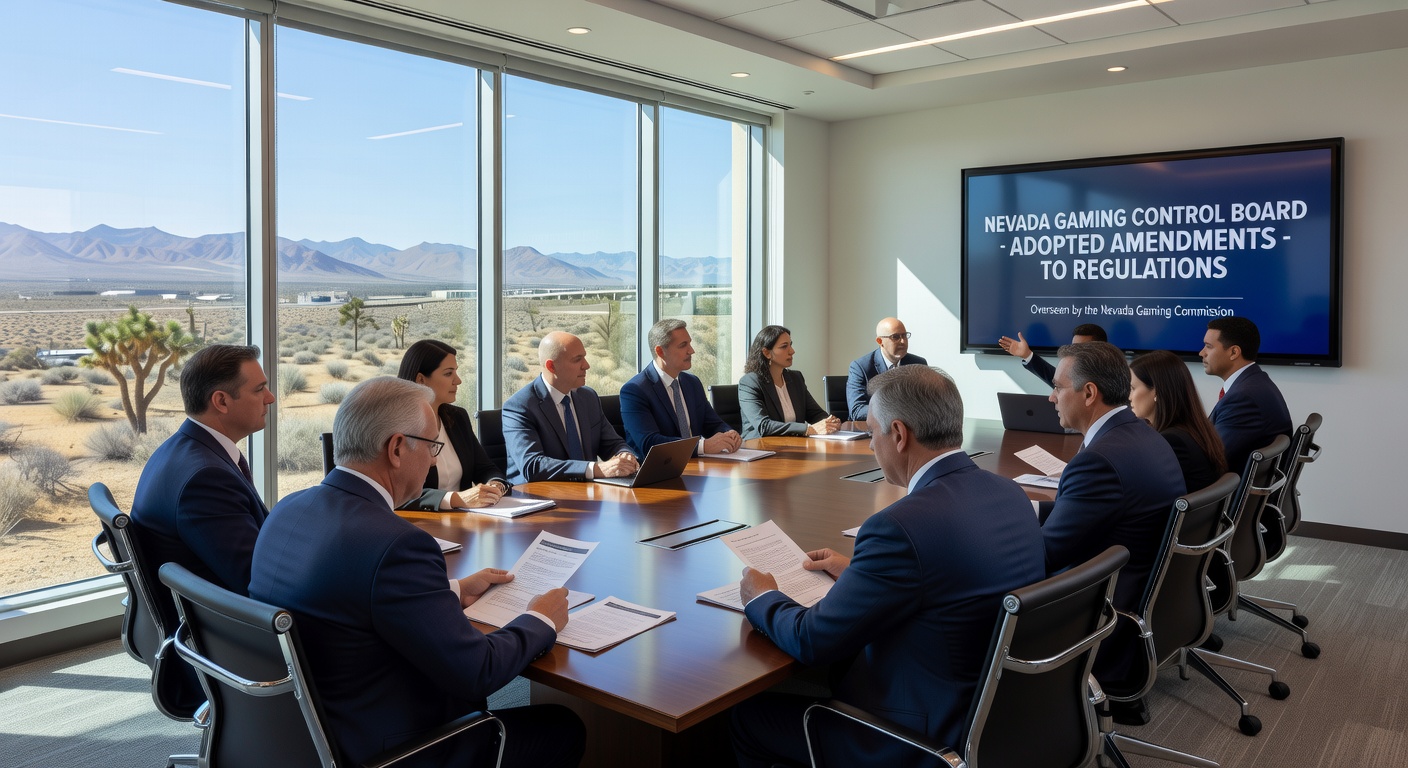
What's interesting is how these transitions rarely disrupt daily operations, since the Secretary for Economy and Finance collaborates closely with the DICJ on licensing renewals—set for 2022-2032 under current concessions—and broader fiscal strategies; data from recent quarters reveals gaming revenue stabilizing around MOP 200 billion annually (roughly $25 billion USD), so stability matters for investor confidence among those six concessionaires.
Context Within Macau's Economic Framework
Macau's economy leans heavily on gaming, contributing over 80% of tax revenue historically, although post-2019 reforms pushed operators toward non-gaming elements; Tai Kin Ip's watch saw implementation of these mandates, with investments in events, sports, and culture aiming to rebrand the enclave beyond casinos, yet figures indicate gaming still drives the $30 billion valuation cited in coverage of his oversight.
And while personal reasons prompted the exit—details left private, as is standard—observers who've studied similar cases recall how such moves allow fresh perspectives on challenges like labor shortages, currency fluctuations against the pataca's HKD peg, and competition from regional rivals such as Singapore's Marina Bay Sands or the Philippines' emerging resorts.
Take one instance from 2023, when prior leadership navigated concession tweaks amid market slumps; now, in April 2026, the timing aligns with quarterly earnings where operators like Galaxy reported upticks from mass-market growth, so the interim setup under Sam Hou Fai ensures no policy vacuums disrupt licensing or tax collections.
Implications for Gaming Operators and Stakeholders
Major players—Sands China navigating U.S. parent scrutiny, Wynn Macau expanding its Encore brand, MGM China partnering locally, SJM Holdings honoring legacy properties, Melco Resorts innovating with Morpheus tower, and Galaxy Entertainment scaling Macau Galaxy—rely on consistent oversight for everything from satellite casino approvals to dividend repatriation approvals; with Tai Kin Ip's departure, the nomination process holds the key, as Beijing favors continuity in revenue-sharing models that have stabilized post-recovery.
People in the industry often discover that short tenures like this one don't derail long-term concessions expiring in 2032, especially since economic secretaries coordinate with the Monetary Authority of Macao on reserves exceeding $200 billion, buffering against volatility; that's where the rubber meets the road for a sector employing tens of thousands directly and indirectly.
Yet transitions bring scrutiny too, with analysts parsing how the new appointee might tweak tourism visas or SME support, given gaming's spillover into hotels, retail, and entertainment that Tai Kin Ip helped balance during his term.
Looking Ahead: Interim Duties and Replacement Timeline
Sam Hou Fai's interim role covers pressing agendas like budget planning for fiscal 2027, where gaming taxes feature prominently alongside diversification funds; authorities expect Beijing's nod on the nominee within weeks, mirroring past approvals that kept momentum on projects such as the Light Rail Transit expansion or Hengqin integration zones easing cross-border work.
It's noteworthy that Macau's leadership structure, with five secretaries reporting to the chief executive, ensures departmental resilience, so the economy and finance portfolio—handling customs, audits, and investments—presses forward amid this change; studies of SAR governance reveal such mechanisms prevent disruptions in high-stakes environments like gaming oversight.
Conclusion
Tai Kin Ip's resignation, approved by China's State Council in April 2026 on personal grounds, marks a pivotal yet orderly shift for Macau's economy chief who stewarded the $30 billion gambling sector since late 2024; with Sam Hou Fai managing interim duties and a replacement nomination underway, the focus remains on sustaining the industry's recovery and diversification efforts that define this global gaming hub. Operators like Sands China, Wynn Macau, MGM China, SJM Holdings, Melco Resorts, and Galaxy Entertainment continue navigating familiar regulations, while stakeholders await Beijing's next endorsement to maintain fiscal steadiness in the months ahead.