Mapping Limitations in Redeeming Smartphone Gaming Promotions Using Virtual Currencies
Written by Klara Simon · May 28, 2026
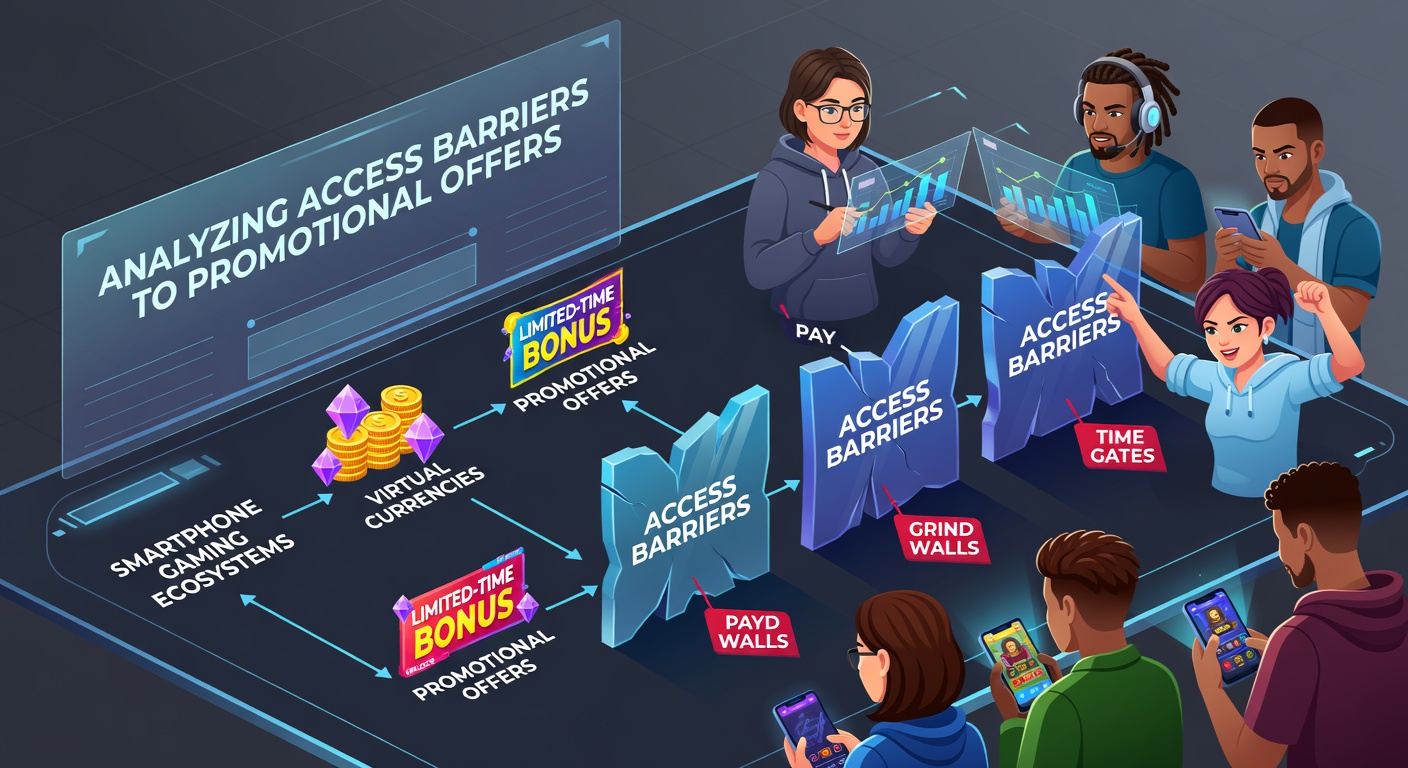
Mapping Limitations in Redeeming Smartphone Gaming Promotions Using Virtual Currencies
Smartphone gaming ecosystems have grown into complex environments where virtual currencies function as the main vehicle for both purchases and promotional rewards, yet multiple structural and technical barriers often prevent players from accessing those offers in full. Developers integrate coins, gems, and tokens into game loops to manage in-app economies, and promotional campaigns frequently rely on the same systems to distribute bonuses or limited-time rewards. Data from industry tracking services indicates that over 70 percent of top-grossing mobile titles in 2025 used at least one form of virtual currency to gate promotional content.
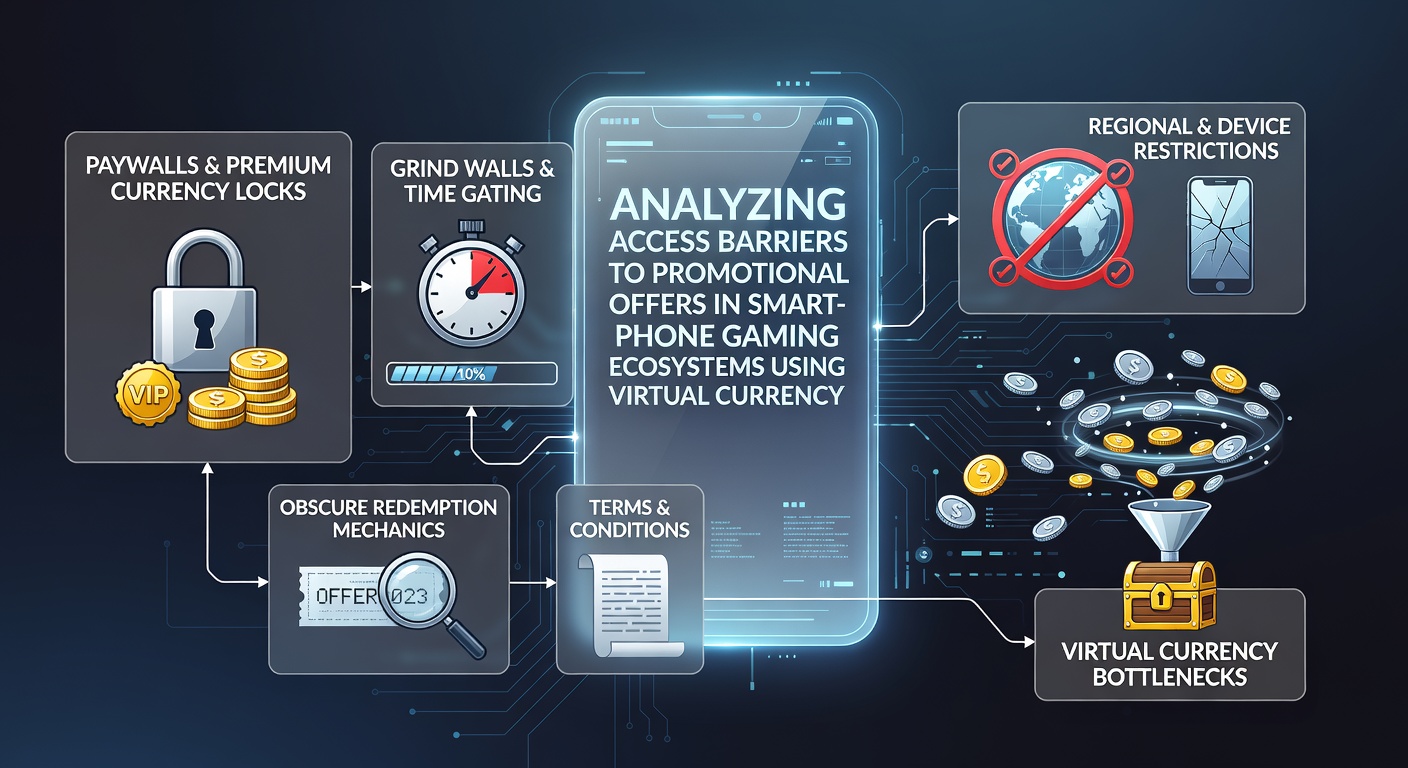
Platform policies from major operating systems impose verification steps before any virtual currency transaction can complete, and these requirements create friction for new or casual users. Account age thresholds, payment method validations, and regional restrictions combine to block eligibility even when a player meets the advertised criteria for an offer. Researchers at academic institutions have documented how such layered checks, while intended to reduce fraud, disproportionately affect users in emerging markets where banking infrastructure remains limited.
Technical and Account-Based Restrictions
Device compatibility issues surface regularly when promotional campaigns launch, since older operating system versions frequently lack support for updated virtual currency ledgers. Players attempting to claim rewards discover that their installed game client cannot process the transaction until an update occurs, yet network conditions or storage constraints sometimes prevent the required download. Studies released in early 2026 by consumer protection agencies in Australia noted that nearly one-third of reported access complaints involved compatibility failures tied directly to virtual currency processing modules.
Account linkage requirements add another layer, because many promotions demand connection to external social or payment services before virtual currency can transfer. When users decline these linkages due to privacy preferences, the promotional path terminates. Observers note that this design choice funnels participation toward players already embedded in specific digital ecosystems, narrowing the reach of campaigns that advertise broad accessibility.
Regulatory and Regional Variations
Different jurisdictions apply distinct rules to virtual currency promotions, creating inconsistent access patterns across borders. Canadian provincial regulators updated disclosure standards for in-game offers in late 2025, requiring clearer separation between paid and earned virtual currency. European data protection frameworks similarly influence how user data flows during reward redemption, sometimes delaying processing by days. Figures released by the Australian Competition and Consumer Commission in May 2026 showed a measurable drop in successful redemptions for cross-border players following enforcement of updated digital market guidelines.
Payment processor policies further segment availability, since certain virtual currency methods remain unsupported in specific countries. Players encounter messages indicating that their selected funding source cannot complete the verification needed to unlock a promotion, even when local regulations permit the underlying transaction type. Industry associations tracking these patterns report that such mismatches account for a consistent share of unresolved support tickets each quarter.
Impact on Player Behavior and Offer Design
Access barriers shape how developers structure future promotions, with teams increasingly testing segmented rollouts that target verified accounts first. This approach reduces immediate complaint volume yet leaves broader audiences waiting for phased releases. Data collected by university research groups tracking mobile engagement metrics demonstrates that delayed access correlates with lower overall redemption rates, even when offers eventually become available.
Virtual currency conversion mechanics introduce additional complexity when promotions span multiple games or external partner platforms. Rate fluctuations or transfer fees, though small, accumulate for users attempting to consolidate balances before claiming rewards. Reports from trade organizations monitoring digital economies indicate that transparency around these conversion steps remains uneven across major titles.
Emerging Mitigation Approaches
Some studios have begun deploying in-game tools that surface eligibility checks before players invest time in promotional tasks, allowing early identification of potential blocks. Others partner with regional payment providers to expand supported virtual currency options, reducing the frequency of processor-related denials. Government agencies in several Asian markets have encouraged such partnerships through updated sandbox programs that ran through spring 2026.
Platform-level changes also contribute, as operating system updates introduce standardized APIs for virtual currency status queries. These tools enable developers to surface clearer status information inside games, cutting down on support interactions stemming from opaque eligibility rules. Early adoption data released by hardware manufacturers suggests gradual integration across flagship devices during 2026.
Conclusion
Access barriers to promotional offers in smartphone gaming ecosystems that rely on virtual currencies stem from intersecting technical, account, regulatory, and design factors that vary by region and platform. Continued documentation by research institutions and regulatory bodies provides visibility into which interventions most effectively reduce friction while maintaining compliance. As ecosystems evolve, the balance between security requirements and broad promotional reach will determine how widely players can participate in these reward structures.