Regulatory Pathways Open Doors for Online Casino Expansion Beyond Current Markets
Written by Klara Werner · Aug 8, 2026

Regulatory Pathways Open Doors for Online Casino Expansion Beyond Current Markets
Industry analysts track several states advancing bills that could expand iGaming into new territories while the existing eight regulated markets continue operations. These developments center on legislative proposals that address licensing frameworks, tax structures, and consumer protections as lawmakers respond to shifting economic priorities in August 2026. Observers note that states previously hesitant now examine models from New Jersey and Pennsylvania, adapting those structures to local conditions without repeating earlier rollout delays.
Current Landscape Sets Stage for Growth
Eight states maintain active online casino regulations as of mid-2026, yet additional jurisdictions review similar statutes through committee hearings and stakeholder input sessions. Research from gaming policy institutes shows that revenue projections often drive these reviews, with data indicating potential tax contributions that rival traditional lottery systems in certain regions. Experts point to Delaware and Michigan as early adopters whose experiences now inform draft legislation elsewhere, particularly around geofencing requirements and responsible gaming mandates that appear in newer proposals.
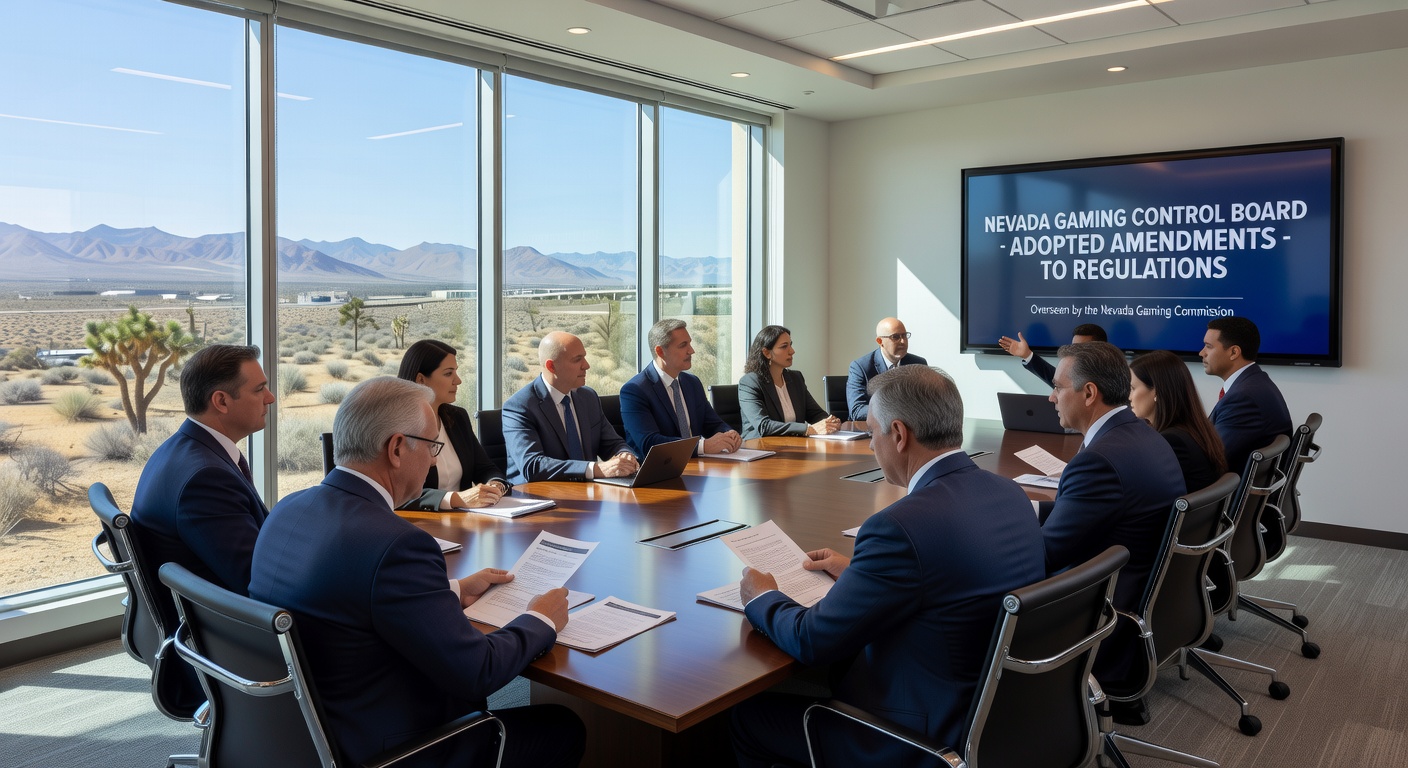
Legislators in multiple states introduce measures that create dedicated oversight bodies rather than folding iGaming under existing lottery commissions, a distinction that surfaces repeatedly in policy debates. This separation allows for specialized enforcement teams focused on digital transaction monitoring and platform compliance, while industry groups submit testimony highlighting streamlined approval processes that reduce startup timelines for operators.
Industry Perspectives on Emerging Markets
Trade associations compile reports that identify at least five additional states with active legislative momentum, citing factors such as existing sports betting infrastructure and broadband access levels as key enablers. These assessments draw from operator surveys and economic modeling that project market entry timelines stretching into 2027 and 2028, contingent on bill passage and subsequent rulemaking. Data compiled by these organizations reveals consistent interest from mid-sized operators seeking diversification beyond saturated markets, with particular attention paid to tribal-state compacts that could integrate online offerings.
One analysis released during summer 2026 sessions outlines how states might structure revenue-sharing agreements between operators and host governments, drawing parallels to land-based casino compacts in place across the Southwest. Such arrangements often include provisions for problem gambling programs funded through a percentage of gross gaming revenue, a feature that appears in multiple draft bills under consideration.
Evolving Legal Frameworks and Key Challenges
Legal scholars examine court precedents from earlier iGaming challenges that could shape future expansion, noting that federal Wire Act interpretations remain central to interstate considerations. Several states pursue legislation that explicitly authorizes intrastate online play while leaving interstate compacts for later negotiation, an approach that minimizes immediate legal exposure. According to records from state legislative tracking services, committee amendments frequently address age verification standards and data privacy measures that align with broader consumer protection statutes already on the books.
Industry representatives emphasize the importance of uniform technical standards across jurisdictions, arguing that fragmentation increases compliance costs without corresponding safety benefits. Proposals under review in at least two states incorporate references to the National Council of Legislators from Gaming States model act, which provides template language for licensing and auditing procedures. These efforts coincide with ongoing discussions at federal level about potential updates to the Unlawful Internet Gambling Enforcement Act, though state-level action proceeds independently in most cases.
Potential New Markets and Timeline Considerations
Policy briefs identify states in the Midwest and Southeast as particularly active in preliminary discussions, where existing lottery operations create natural administrative pathways for iGaming integration. Figures from economic development reports suggest that these markets could generate measurable fiscal impacts within the first two years of launch, provided licensing fees and tax rates strike a balance acceptable to both operators and lawmakers. Observers track public comment periods closely, as citizen input sessions have influenced final bill language in prior expansions.
August 2026 marks a period of heightened activity as several legislative calendars include gaming committee markups before fall recesses, creating windows for passage ahead of 2027 budget cycles. Stakeholders monitor these sessions for amendments that might affect player pool sizes or advertising restrictions, elements that directly influence operator investment decisions. Research institutions continue to publish comparative studies that weigh regulatory stringency against market size projections, offering data points that inform both legislative drafting and industry positioning.
Conclusion
Legislative momentum across additional states reflects broader acceptance of regulated iGaming as a revenue tool, with pathways shaped by lessons from the initial eight markets. Industry perspectives focus on adaptable frameworks that accommodate state-specific priorities while maintaining core consumer safeguards. As sessions advance through 2026, the legal landscape continues evolving through targeted bills, stakeholder engagement, and economic analyses that guide decision-making at each stage.