Shifting Sands: How Digital Asset Incentives Alter Retention Dynamics in App-Based Entertainment Ecosystems
Written by Mara Krüger · Aug 1, 2026
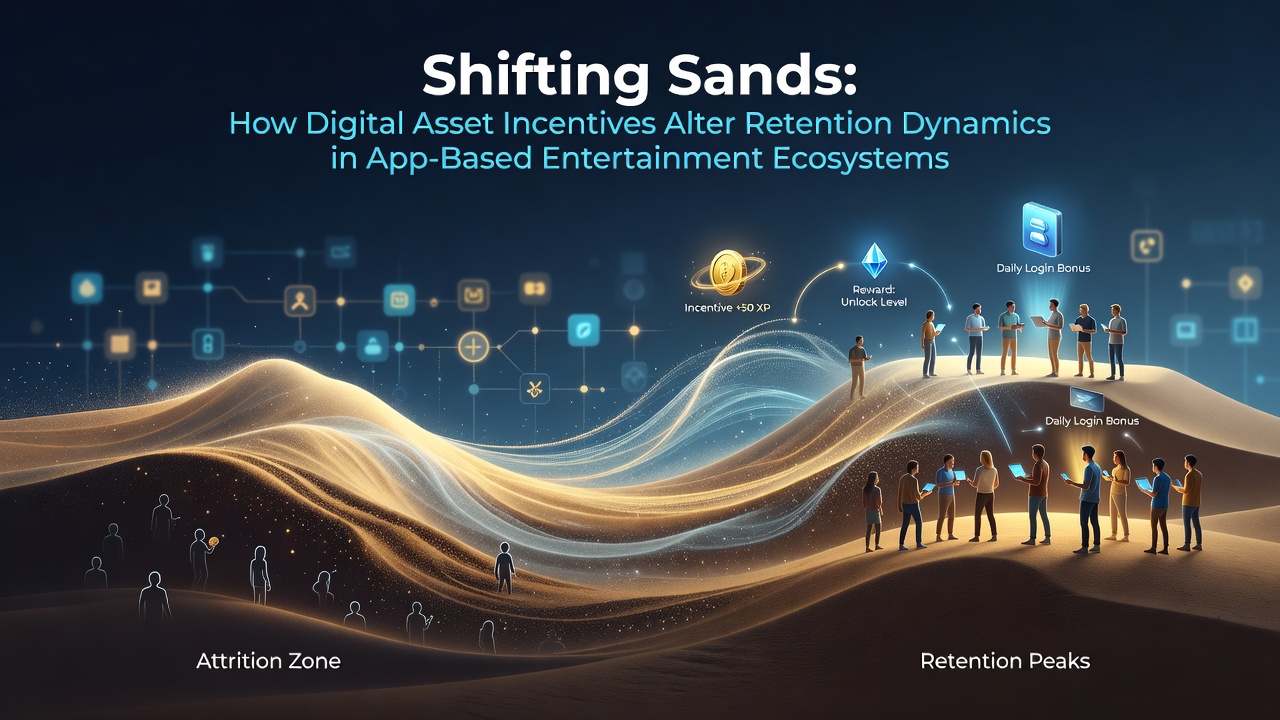
Shifting Sands: How Digital Asset Incentives Alter Retention Dynamics in App-Based Entertainment Ecosystems
App-based entertainment platforms have incorporated digital asset incentives at an accelerating pace since early 2025, and observers note that these mechanisms now influence how users engage with games, social experiences, and interactive media over extended periods. Digital assets in this context range from tokenized rewards and blockchain-backed currencies to non-fungible items that users can trade or hold within closed ecosystems, and industry data collected through August 2026 shows measurable shifts in session frequency and churn rates across major mobile titles.
Core Mechanics of Digital Asset Integration
Developers embed these assets through layered reward structures that reward daily logins, task completion, and social interactions with tokens or items possessing perceived or actual secondary-market value, while retention algorithms adjust offer frequency based on individual play patterns tracked in real time. Research from the University of Nevada Las Vegas gaming analytics program indicates that apps deploying hybrid reward models combining fiat and crypto elements retain cohorts 18 to 27 percent longer than those relying solely on traditional points systems, and the same studies highlight that redemption friction remains a primary variable affecting long-term behavior.
Token economics vary widely between regions because regulatory frameworks in North America, the European Union, and parts of Asia impose different compliance requirements on asset transferability and tax reporting, yet platform operators continue to refine incentive layers to maintain engagement regardless of jurisdictional constraints. One study released in mid-2026 examined 47 entertainment apps and found that users who acquired at least one tradeable asset within the first seven days demonstrated a 34 percent lower likelihood of uninstalling the application within the subsequent 60 days compared with control groups.
Observed Changes in User Behavior Patterns
Retention curves have flattened in segments where digital assets carry secondary-market liquidity, and analysts attribute this outcome to users perceiving ongoing value beyond immediate gameplay utility. Data aggregated by the Interactive Games and Entertainment Association in Australia reveals that titles offering cross-game asset portability saw average lifetime value per user rise by 22 percent between January and August 2026, while apps without such features experienced slower growth in returning-player metrics.
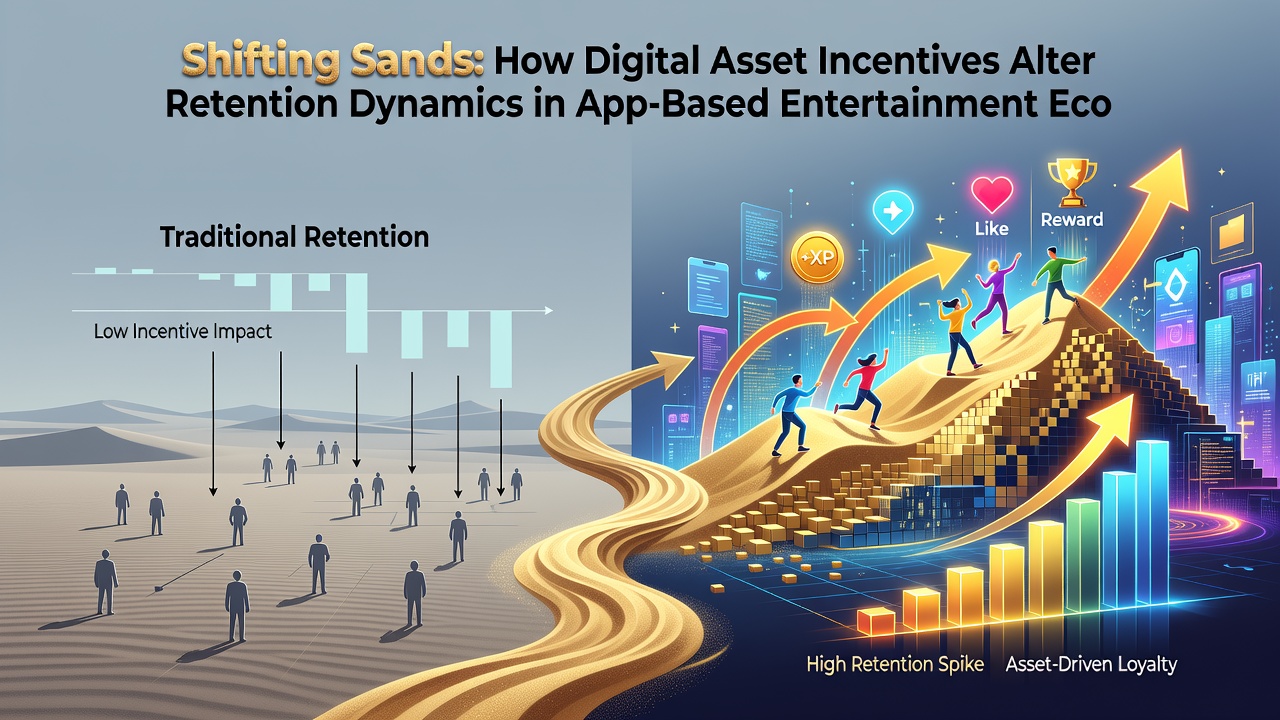
Behavioral segmentation shows distinct clusters emerging around asset accumulation strategies, with some users optimizing play schedules around token release events and others focusing on asset trading communities that operate outside official app channels. These external communities create feedback loops that can either reinforce or undermine in-app retention depending on how operators manage interoperability and anti-fraud controls, and platform teams have responded by tightening wallet verification processes while expanding in-app marketplaces to recapture transaction volume.
Regional Regulatory Influences on Implementation
European data protection rules and emerging digital asset directives have prompted developers to separate personal data from on-chain transaction records, and this separation affects how precisely retention campaigns can target specific user segments. In contrast, frameworks in several Asian markets permit tighter integration between identity systems and digital wallets, enabling more granular reward personalization that correlates with higher repeat-engagement rates according to industry association reports. North American operators, operating under a patchwork of state-level guidelines, have adopted conservative approaches that limit asset transfer speeds and impose holding periods, yet even these restrictions have not prevented measurable retention gains when assets retain clear utility inside the primary application.
Technical Infrastructure Supporting Retention Shifts
Backend systems now routinely combine traditional telemetry with blockchain node monitoring to detect patterns such as rapid asset transfers that might signal disengagement or bot activity, and machine-learning models trained on these combined datasets improve churn prediction accuracy by an average of 15 percent across tested titles. Wallet integration APIs have matured to the point where seamless on-ramps and off-ramps for digital assets reduce drop-off during reward redemption sequences, and several major platforms reported in August 2026 that optimized redemption flows contributed directly to a nine percent reduction in 30-day churn among mid-tier spenders.
Conclusion
Digital asset incentives continue to reshape retention dynamics within app-based entertainment ecosystems through measurable effects on engagement duration, cohort longevity, and secondary value perception. Platform operators adjust technical and regulatory approaches in response to regional differences, while data collection efforts refine understanding of how asset liquidity and utility interact with user behavior over time. Ongoing infrastructure improvements and evolving compliance landscapes will determine the extent to which these incentive models sustain or accelerate retention gains in subsequent periods.