Specialized Incentive Thresholds Driving Retention in Cryptocurrency Mobile Gaming Ecosystems
Written by Mara Krüger · Jul 11, 2026
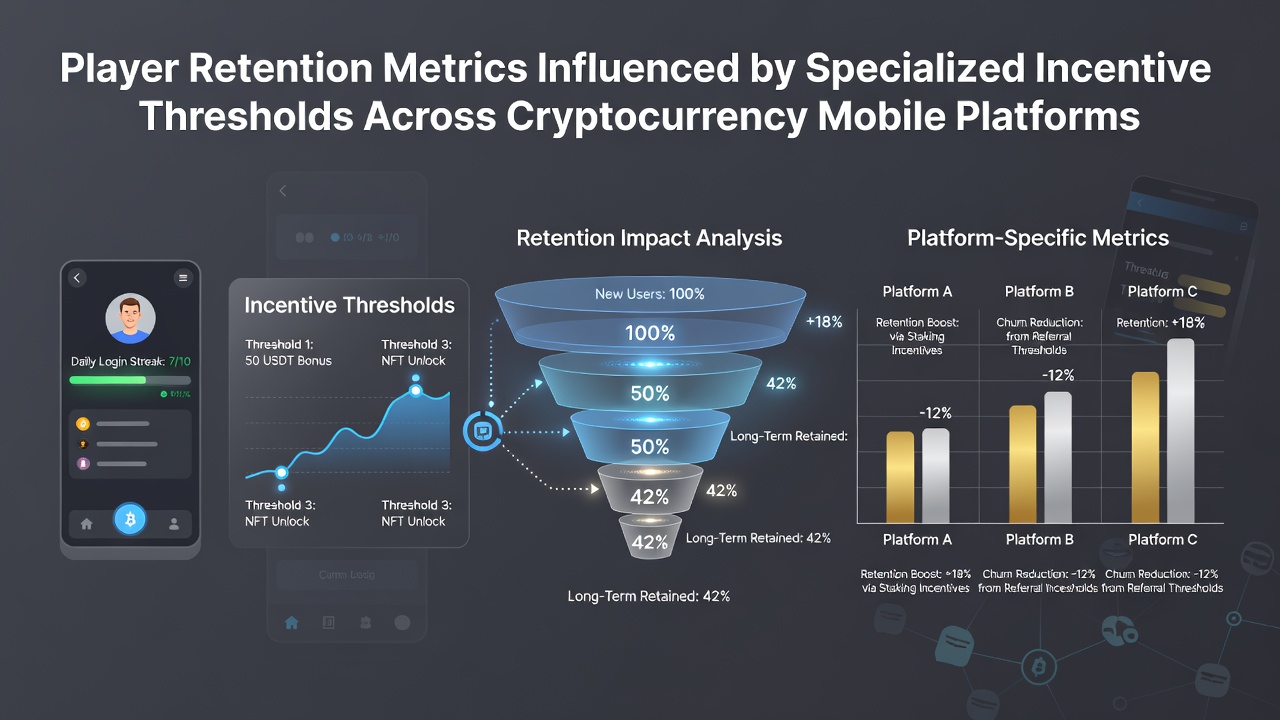
Specialized Incentive Thresholds Driving Retention in Cryptocurrency Mobile Gaming Ecosystems
Specialized incentive thresholds operate as defined trigger points within cryptocurrency mobile gaming applications where rewards activate after players reach precise activity or deposit levels, and these mechanisms directly correlate with measurable retention outcomes across multiple platforms. Research from academic institutions shows that platforms implementing tiered thresholds experience distinct patterns in user return rates, with data collected through July 2026 revealing sustained engagement when thresholds align with typical user behavior cycles. Observers note that cryptocurrency integration allows for instant reward distribution, which reduces friction compared to traditional fiat systems and supports longer session continuity.
Defining Threshold Mechanisms in Crypto Environments
Thresholds function through algorithmic rules that monitor variables such as cumulative wager volume, login frequency, or token holdings before unlocking benefits like bonus credits or reduced house edges, and studies indicate these structures create predictable retention curves when calibrated against historical player data. Researchers discovered that mobile applications using cryptocurrency enable granular adjustments to these thresholds because blockchain transactions provide transparent, real-time verification without intermediary delays. Those who have analyzed platform logs report that thresholds set too high result in early drop-off, while lower entry points combined with progressive scaling maintain activity across successive weeks.
Key Retention Metrics and Measurement Approaches
Retention metrics encompass day-one return rates, seven-day active user percentages, and lifetime value calculations that incorporate cryptocurrency volatility factors, with evidence suggesting thresholds exert measurable influence on each category. Data from industry reports demonstrates that platforms adjusting thresholds based on cohort analysis achieve higher repeat visit ratios, particularly when rewards tie directly to native token economies rather than external currencies. Experts have observed that mobile-specific telemetry, including session duration and in-app navigation paths, provides additional layers for evaluating how threshold timing affects churn probability across different regions.
Regional Platform Comparisons and Data Patterns
Platforms operating in North American and Asian markets display divergent responses to identical threshold structures because regulatory environments and user demographics shape baseline engagement levels, and figures reveal stronger retention lifts in jurisdictions with established cryptocurrency infrastructure. A report from the Nevada Gaming Control Board highlights adoption trends in technical systems supporting these incentives, while separate analysis from the Malta Gaming Authority documents parallel developments in European mobile ecosystems through mid-2026. Those examining cross-platform datasets find that cryptocurrency volatility introduces additional variance into retention forecasts, prompting operators to incorporate hedging mechanisms within threshold designs.
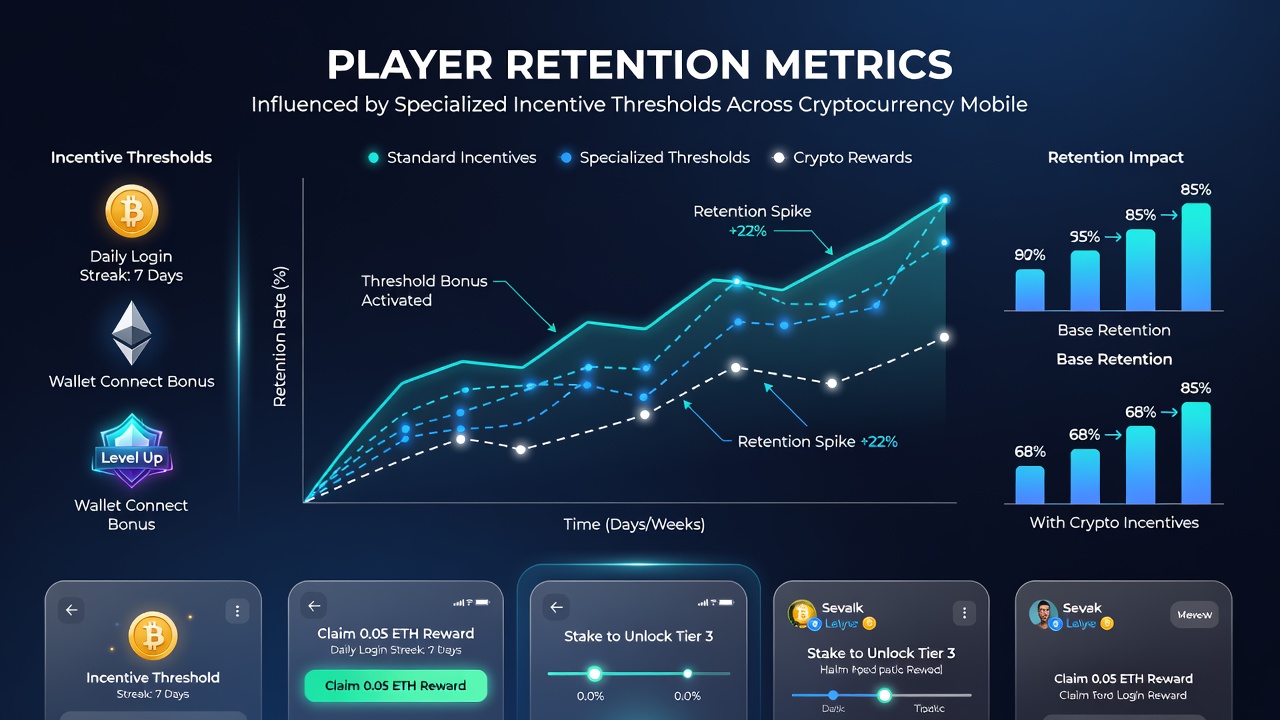
Impact of July 2026 Platform Updates
Updates rolled out across several major applications in July 2026 introduced dynamic threshold recalibration features that respond to real-time network conditions and player segmentation, and preliminary metrics indicate improved retention stability following these deployments. Researchers discovered that integrating machine learning models with threshold logic allows platforms to predict optimal reward activation points on a per-user basis, reducing instances of premature disengagement. Observers note that cryptocurrency mobile gaming continues to evolve these systems because token-based economies facilitate micro-adjustments that traditional payment rails cannot match at equivalent speed.
Challenges in Threshold Calibration and Metric Accuracy
Calibration difficulties arise when external market factors, such as token price fluctuations, interact with fixed threshold values and distort expected retention outcomes, while data from multiple platform audits shows the need for frequent recalibration protocols. Those who have studied user cohorts report that mobile interface variations across devices further complicate accurate measurement because screen size and input methods influence how quickly players reach incentive milestones. Evidence suggests that transparent communication of threshold requirements within applications correlates with higher completion rates, although implementation consistency varies widely among operators.
Conclusion
Specialized incentive thresholds continue to shape retention metrics throughout cryptocurrency mobile gaming platforms as operators refine calibration methods and integrate new data sources, and ongoing analysis through 2026 demonstrates measurable connections between threshold design and sustained user activity. Platforms that monitor regional differences and adjust for cryptocurrency-specific variables maintain clearer visibility into performance indicators, supporting continued development of these systems across diverse markets.