Technical Barriers and Regulatory Complexities in Redeeming Blockchain Incentives on Mobile Gaming Devices
Written by Klara Werner · Jul 2, 2026
Technical Barriers and Regulatory Complexities in Redeeming Blockchain Incentives on Mobile Gaming Devices
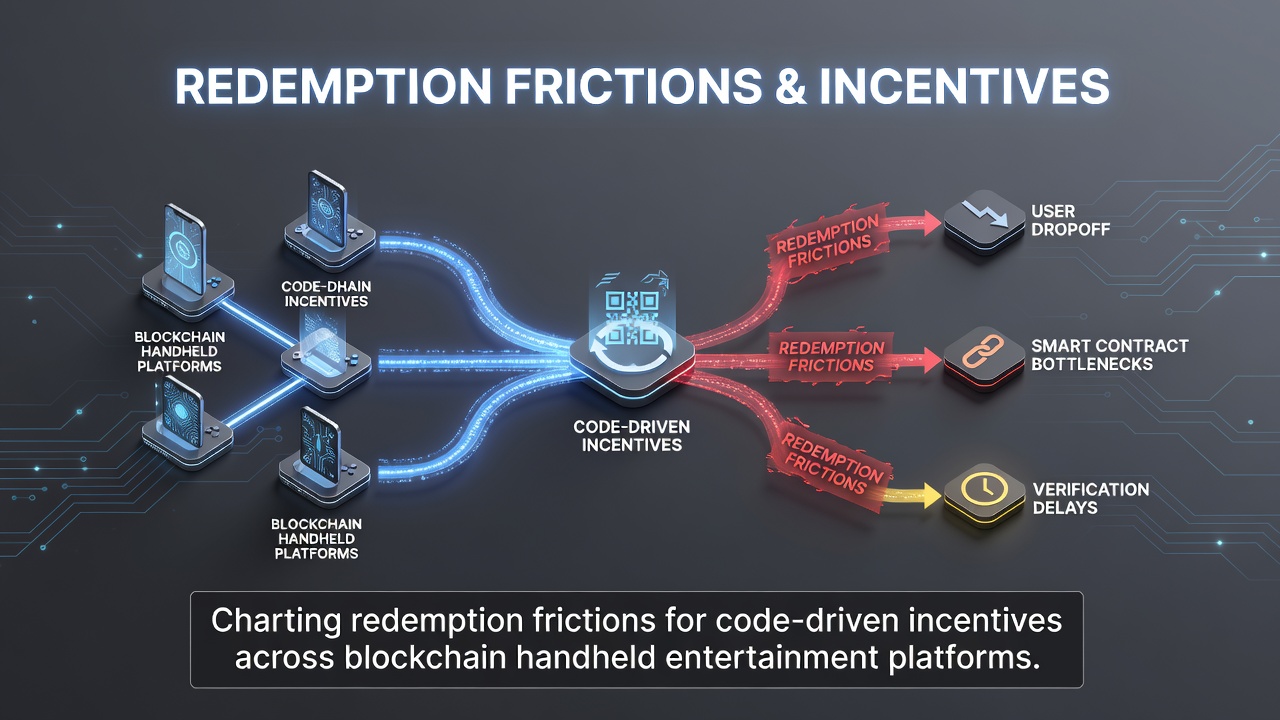
Blockchain handheld entertainment platforms rely on code-driven incentives to engage users across decentralized networks yet redemption processes encounter multiple friction points that stem from technical mismatches and evolving compliance requirements. Data from platform analytics in mid-2026 indicate that transaction confirmation times on major chains extend beyond standard expectations when users attempt to activate promotional codes on mobile devices while network congestion peaks during evening hours in key regions.
Core Technical Obstacles in Code Activation
Wallet integration remains a primary source of delay because many handheld applications support only a limited set of blockchain protocols whereas incentive codes often originate from cross-chain campaigns that require additional bridging steps before activation completes. Observers note that gas fee fluctuations create unpredictable costs for users who must cover network charges separately from any bonus value which leads to abandoned redemptions when fees spike above predetermined thresholds set by the issuing platform.
Smart contract compatibility issues surface when code sequences fail to trigger intended reward distributions due to version mismatches between the mobile app and the underlying blockchain ledger. Research indicates that such mismatches accounted for a measurable portion of failed transactions during the first half of 2026 particularly on networks that underwent protocol upgrades without simultaneous app updates.
Regulatory Layers Affecting Redemption Flows
Compliance frameworks in different jurisdictions impose verification layers that intersect with code redemption sequences and extend processing times beyond immediate technical execution. According to records maintained by the Nevada Gaming Control Board operators must maintain audit trails for incentive distributions which necessitates additional on-chain logging steps that mobile users encounter as extra confirmation prompts during the redemption process.
Similar requirements appear in Canadian provincial regulations where identity checks tied to virtual currency movements add sequential approvals before rewards credit to user accounts. These steps while designed to prevent misuse create cumulative delays when combined with blockchain settlement times that already range from several minutes to over an hour depending on network load.

Patterns Observed Across July 2026 Platform Activity
Activity logs from multiple blockchain mobile gaming services reveal recurring friction clusters around code expiration windows that do not align with variable confirmation speeds across different chains. Users attempting redemptions near deadline periods encounter situations where the code validation succeeds on the application side yet the subsequent on-chain transfer fails to finalize before the incentive window closes resulting in lost opportunities that cannot be recovered through standard support channels.
Device-specific constraints further compound these issues because older smartphone operating systems lack updated cryptographic libraries required for secure signature generation during incentive claims. Platform operators report that a subset of handheld users must complete workarounds such as exporting keys to secondary devices which introduces additional security considerations and user friction not present in native app flows.
Interoperability Challenges Between Chains and Apps
Cross-platform incentive campaigns that span multiple blockchains encounter mapping difficulties when code formats designed for one ledger require translation for another during the mobile redemption sequence. Figures from industry monitoring services show that translation errors contribute to a consistent percentage of support tickets filed in the weeks following major promotional launches throughout 2026.
Developers address some of these gaps through middleware solutions that abstract chain differences yet such layers introduce their own latency and potential points of failure when network conditions change rapidly. Those who have examined transaction data across several platforms observe that middleware-assisted redemptions succeed at higher rates during low-congestion periods but experience degradation when underlying chains face simultaneous demand spikes from unrelated decentralized applications.
Emerging Approaches to Reduce Friction
Some platform teams implement batch processing for code redemptions that aggregate multiple user claims into single on-chain operations thereby lowering per-transaction costs and confirmation variability. This method appears in updates rolled out during July 2026 on select entertainment platforms where aggregated claims reduced average processing time by measurable margins compared with individual transaction models.
Additional experimentation involves off-chain validation paired with periodic on-chain settlements which allows users to receive immediate application credit while the blockchain component completes asynchronously. Such hybrid models require careful coordination with regulatory reporting obligations yet demonstrate potential for smoother user experiences when implemented with transparent logging that satisfies oversight bodies across regions.
Conclusion
Redemption frictions in code-driven blockchain incentives on handheld platforms arise from the intersection of technical protocol differences, network dynamics, and regulatory verification demands that continue to shape user interactions in 2026. Platform operators and network maintainers address these through incremental protocol adjustments and middleware refinements while maintaining compliance with jurisdiction-specific requirements documented by bodies such as those referenced in Australian transaction monitoring frameworks. Continued observation of transaction patterns provides data that informs further refinements aimed at aligning code activation timelines with actual blockchain settlement realities.