The Convergence of Blockchain-Based Incentives and Mobile Features in Wagering Apps
Written by Klara Werner · Jun 22, 2026
The Convergence of Blockchain-Based Incentives and Mobile Features in Wagering Apps
Modern betting applications increasingly combine cryptocurrency incentives with portable device capabilities, creating integrated systems that handle rewards through digital assets while delivering immediate access via apps, and data from industry reports shows this approach gaining traction across multiple markets in 2026.
Core Components of Digital Asset Rewards
Digital asset rewards typically involve tokens or cryptocurrencies distributed as part of loyalty programs, deposit matches, or achievement-based payouts, and these systems operate on blockchain networks that enable transparent tracking of transactions without traditional banking intermediaries. Research indicates operators in regions such as North America and Asia have adopted these mechanisms to reduce processing times, with average settlement periods dropping from days to minutes according to figures from the Alcohol and Gaming Commission of Ontario.
Participants receive these assets directly into integrated wallets within the application, which supports functions like instant conversion to other currencies or use for further wagers, whereas conventional point systems require separate redemption steps that often delay user engagement.
Portable Platform Perks and Their Structure
Portable platforms provide features including push notifications for time-sensitive offers, geolocation-based access controls, and seamless biometric logins that enhance security while maintaining convenience, and these elements work together to keep users connected without requiring desktop sessions. Studies from academic institutions reveal that mobile sessions account for over 70 percent of total wagering activity in monitored jurisdictions, which highlights the emphasis operators place on optimizing these interfaces for reward delivery.
Perks extend to personalized dashboards that track progress toward milestones, real-time balance updates, and integration with device hardware such as cameras for verification processes, yet compatibility issues arise when apps must align with varying operating system standards across different manufacturers.
Examining Integration Points Between the Two Systems
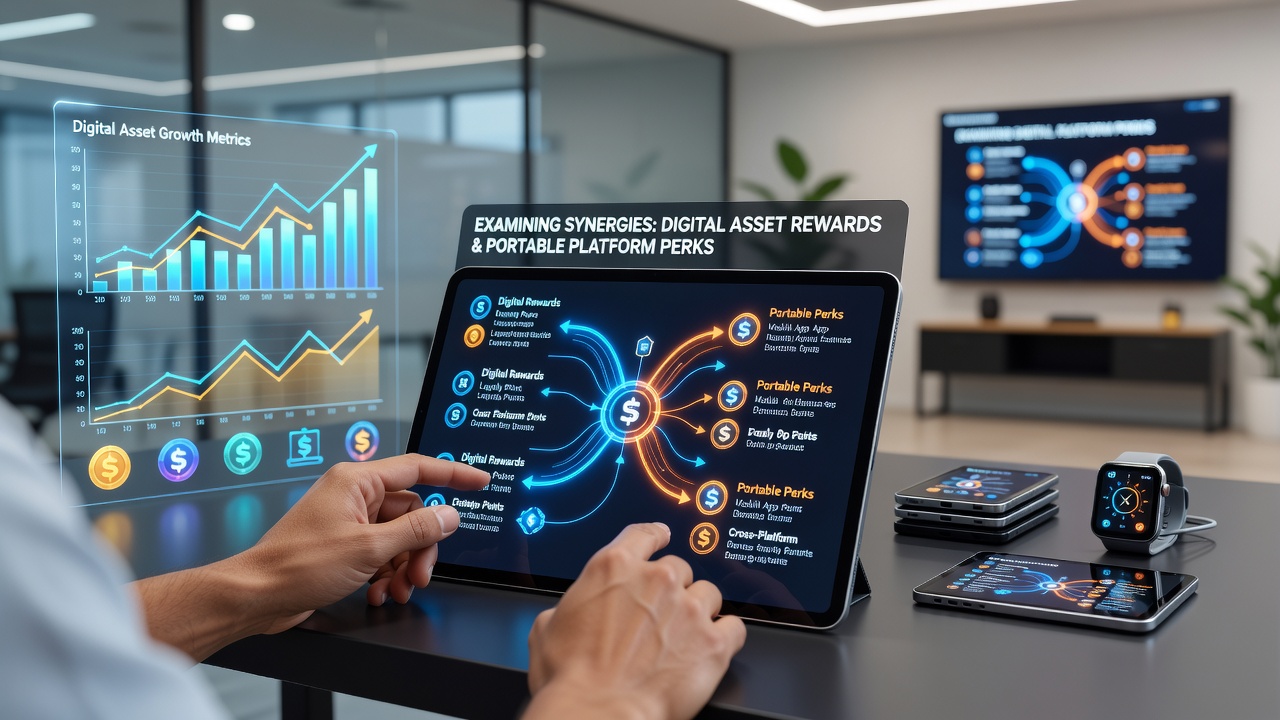
Synergies emerge when digital rewards feed directly into mobile interfaces that allow immediate utilization, such as converting received tokens into bonus credits displayed on the app home screen, and this linkage reduces friction points that previously separated earning from spending phases. Observers note that operators achieve this through API connections between blockchain ledgers and app servers, which permit synchronized updates visible within seconds of a qualifying action.
Take one case where developers linked token issuance to location-based triggers in betting apps, enabling users near approved venues to claim portable perks automatically, and similar implementations have appeared in European and Australian markets where regulatory frameworks support such innovations. Data shows transaction volumes through these combined channels rising steadily through the first half of 2026, particularly after updates rolled out in June that refined wallet security protocols.

Technical and Regulatory Considerations in June 2026
Developers address compatibility by using cross-platform frameworks that maintain consistent performance whether on iOS or Android devices, while security layers incorporate multi-factor authentication tied to both the blockchain wallet and the mobile operating system. Reports from research bodies indicate that vulnerabilities decrease when these layers operate in tandem, though challenges persist around varying data protection rules across borders.
Regulatory bodies in multiple regions continue to evaluate how combined reward models fit within existing oversight structures, and updates issued around June 2026 focused on disclosure requirements for cryptocurrency volatility in user terms. Those who've examined compliance documents note that operators must now provide clear explanations of asset value fluctuations before users engage with integrated perks.
Market Adoption Patterns and Data Trends
Adoption rates vary by jurisdiction, with higher uptake in areas where digital currencies face fewer restrictions, and figures from the Victorian Commission for Gambling and Liquor Regulation indicate mobile-crypto pairings represent a growing share of new account registrations. Patterns reveal that users who start with portable perks often progress to digital reward tiers more quickly when the systems communicate without manual intervention.
Case examples from platform providers demonstrate that unified dashboards displaying both reward types correlate with longer session durations, yet overall retention depends on factors such as network stability and app update frequency. Researchers continue to track these metrics through anonymized datasets released quarterly.
Conclusion
The examination of these synergies shows measurable connections between blockchain reward mechanisms and mobile platform capabilities that shape user interactions in betting applications, with ongoing developments in June 2026 underscoring the need for continued technical alignment and regulatory clarity across regions. Evidence from regulatory and academic sources points to sustained interest in refining these integrations as adoption expands.