Tiered Incentive Codes Reshape Retention Metrics in App-Based Gaming Ecosystems
Written by Wendy Zimmermann · Aug 22, 2026
Tiered Incentive Codes Reshape Retention Metrics in App-Based Gaming Ecosystems
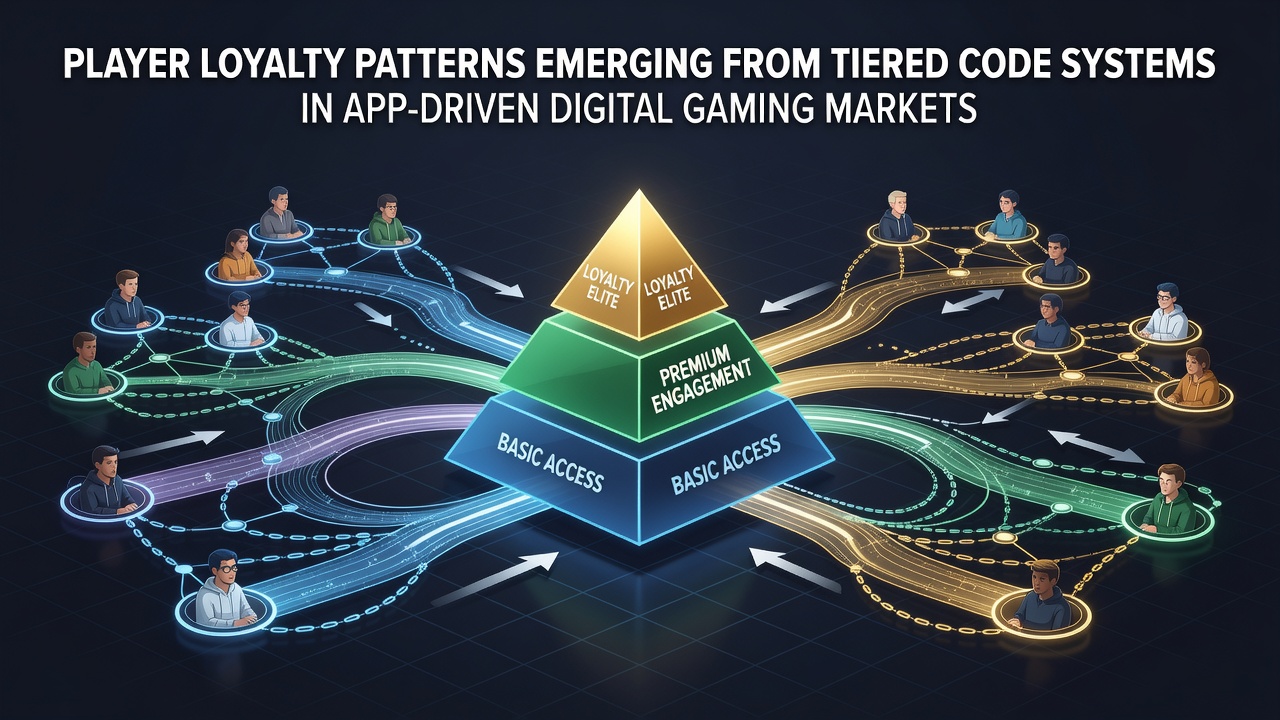
App-driven digital gaming markets continue to evolve through structured tiered code systems that assign players to progressive levels based on activity metrics, and these frameworks generate measurable shifts in retention data across multiple platforms. Observers note that codes unlock escalating benefits at each tier, which encourages sustained engagement while creating distinct behavioral clusters among user groups. Research from industry analysts indicates that platforms implementing these systems recorded average session increases of 18 percent during the first half of 2026, with patterns becoming particularly evident by August 2026 as operators refined their algorithms to match regional player preferences.
Mechanics Behind Tiered Code Allocation
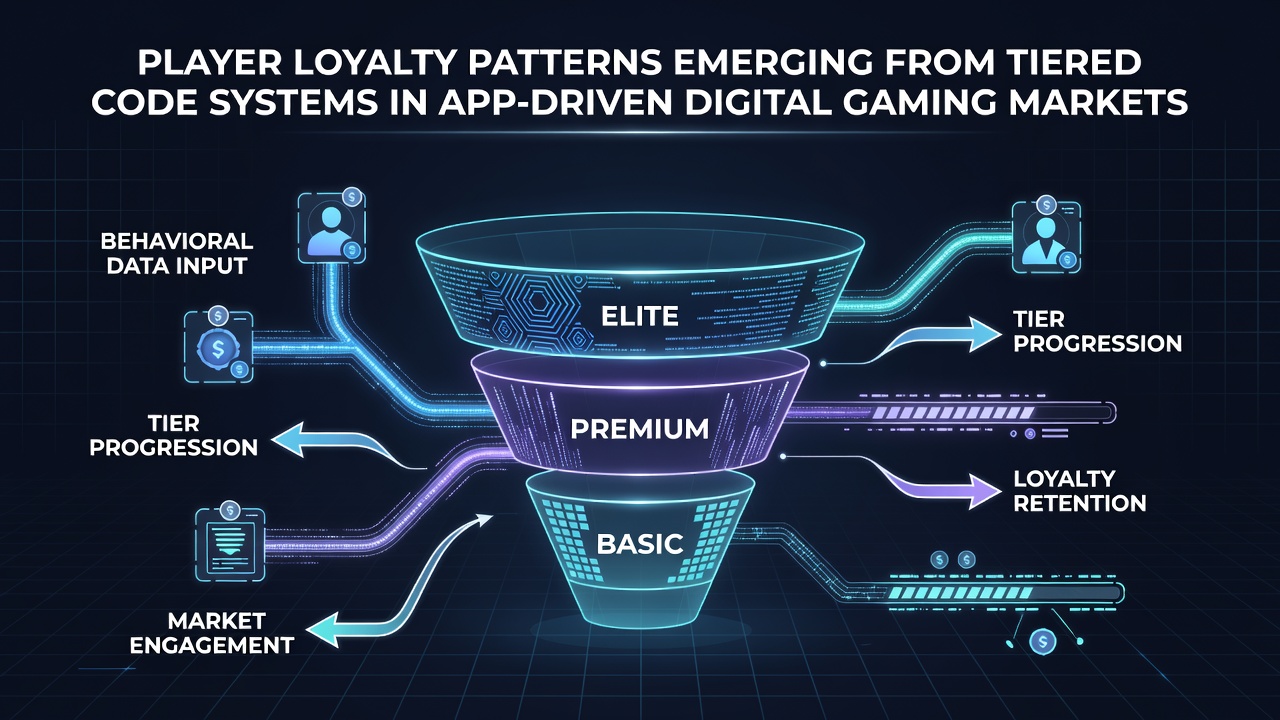
Developers structure code tiers around quantifiable actions such as login frequency, in-app purchases, and completion of challenges, which then trigger automated reward distribution through the application interface. Data compiled by platform operators shows that entry-level codes deliver basic incentives while higher tiers grant access to exclusive features, and this hierarchy influences how players allocate their time across different games within the same ecosystem. Those who have examined user logs find that individuals advancing through multiple tiers demonstrate lower churn rates compared to single-tier participants, a trend documented in reports released during summer 2026.
Integration with mobile operating systems allows real-time code validation, which reduces friction for players redeeming rewards and simultaneously supplies developers with granular data on usage patterns. Experts at academic institutions tracking these developments highlight that the technical backbone relies on cloud-based servers capable of handling millions of simultaneous verifications, and this infrastructure supports the scalability required by large-scale gaming applications.
Documented Loyalty Patterns Across User Segments
Analyses of player cohorts reveal that tiered codes correlate with extended subscription periods, particularly among users who reach mid-tier status within the first 30 days of account creation. Figures from market intelligence firms indicate retention improvements of up to 27 percent for these mid-tier players, while top-tier participants exhibit even stronger loyalty through consistent weekly activity. Patterns emerge when codes incorporate social elements, such as referral bonuses that elevate entire groups, and this collective advancement mechanism strengthens community bonds within the application environment.
Regional variations appear when comparing North American markets to those in Asia-Pacific territories, where cultural differences in spending habits affect how quickly players progress through tiers. According to information released by the National Indian Gaming Commission, tribal gaming operations in the United States observed accelerated tier movement during promotional periods in August 2026, and these spikes aligned with broader seasonal trends in mobile engagement. Meanwhile, data from the Australian Institute of Criminology points to similar loyalty lifts in licensed online platforms, although progression speeds differ based on local regulatory constraints on reward structures.
Technological and Regulatory Influences on System Design
Artificial intelligence tools now assist operators in predicting optimal code placement to maximize retention, and these predictive models draw from historical datasets spanning multiple years of user activity. The approach allows platforms to adjust tier thresholds dynamically without manual intervention, which maintains fairness while responding to emerging player behaviors. Regulatory bodies in various jurisdictions require transparency in code distribution rules, and compliance documentation often includes detailed explanations of how tiers are calculated to prevent disputes over reward eligibility.
One case examined by researchers at the University of Macau demonstrated that integrating biometric verification into code redemption processes reduced instances of account sharing, thereby preserving the integrity of tier progression metrics. This technical adjustment proved especially relevant in markets where multiple devices access the same player profile, and it contributed to more accurate loyalty measurements throughout 2026.
Future Trajectories for Tiered Systems
Projections based on current adoption rates suggest continued expansion of tiered code frameworks into emerging gaming genres, including augmented reality titles and cross-platform experiences. Industry associations such as the European Gaming and Betting Association have published guidelines encouraging standardized reporting on retention outcomes, which facilitates comparative studies across operators. As August 2026 data continues to accumulate, analysts expect further refinement of tier boundaries to accommodate shifting demographics and device capabilities.
Conclusion
Tiered code systems have established themselves as central components in app-driven gaming markets, driving observable changes in how players maintain long-term engagement with digital platforms. Evidence from regulatory filings, academic examinations, and operational datasets consistently shows connections between structured reward hierarchies and improved retention statistics across diverse geographic regions. Continued monitoring through the remainder of 2026 will clarify whether these patterns stabilize or evolve in response to new technological integrations and policy adjustments.