Tracing the Development of Specialized Incentive Programs in Blockchain-Supported Portable Casino Experiences
Written by Klara Simon · Jun 20, 2026
Tracing the Development of Specialized Incentive Programs in Blockchain-Supported Portable Casino Experiences
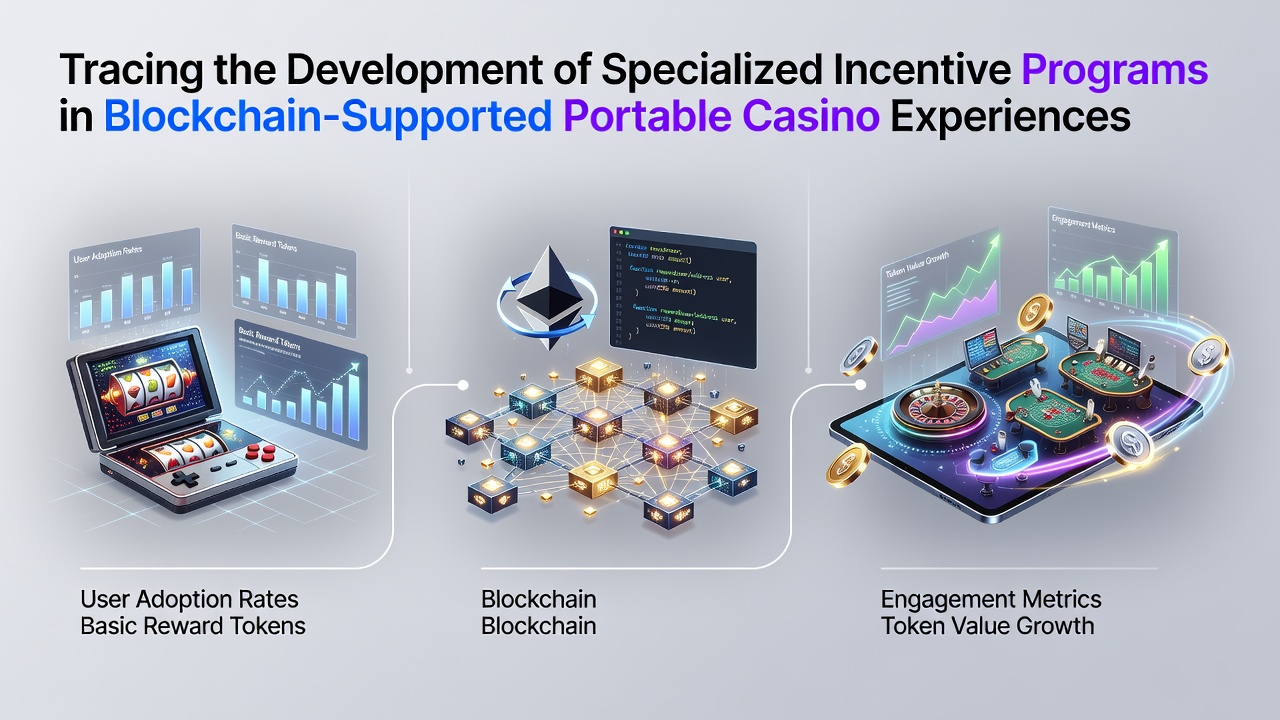
Specialized incentive programs in blockchain-supported portable casino experiences emerged from basic loyalty points systems in the mid-2010s, when developers began integrating distributed ledger technology to track player rewards across mobile devices with greater transparency and security than traditional centralized databases allowed.
Initial Integration Phase
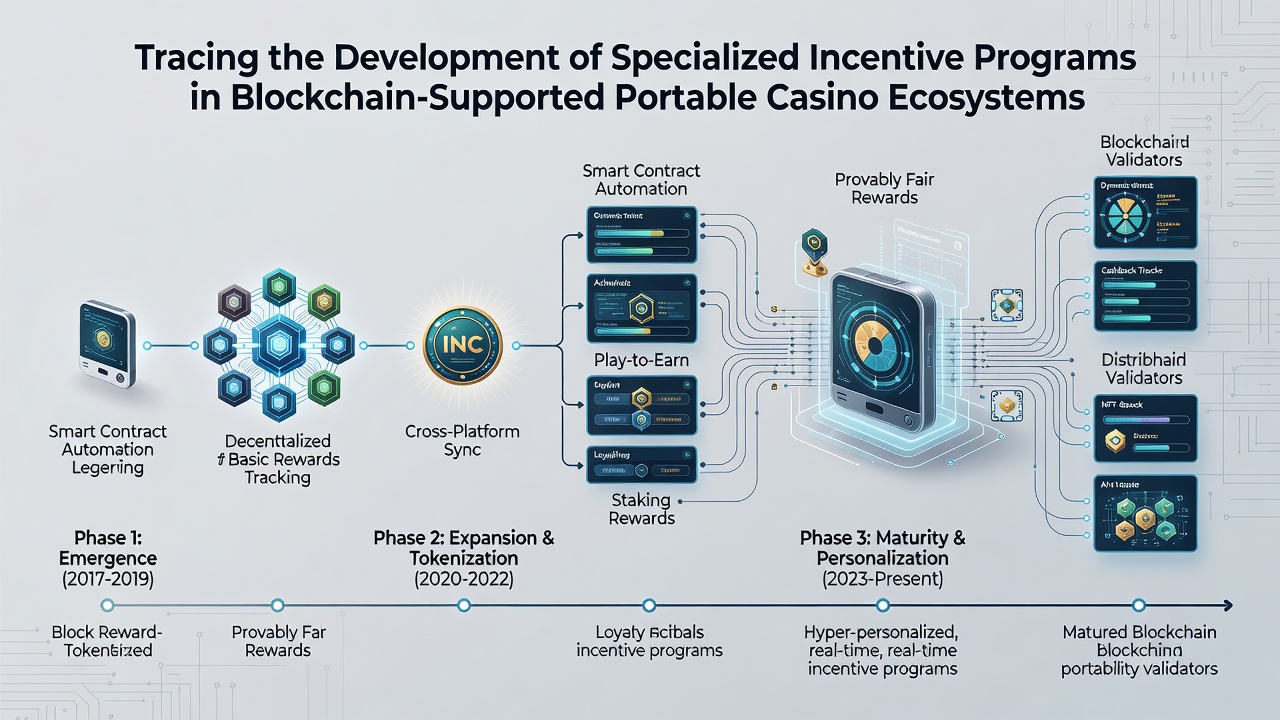
Researchers at several academic institutions documented how early adopters in 2017 and 2018 experimented with cryptocurrency deposits that unlocked tiered reward multipliers, and data from industry reports shows these programs relied on simple smart contracts to automate bonus releases once players met predefined wagering thresholds on their smartphones. Observers note that portability introduced new variables because mobile sessions often lasted shorter durations than desktop play, which prompted programmers to design incentives that rewarded quick logins and micro-transactions instead of extended playtime.
Expansion Through Smart Contracts
By 2020 developers refined these mechanisms further, and studies from Canadian provincial gaming authorities indicate that blockchain networks enabled verifiable random number generation tied directly to reward distribution, which reduced disputes over bonus eligibility while players moved between devices. Those who studied the period recall how loyalty programs shifted from static point accumulation to dynamic NFTs that represented unique player achievements, and these digital assets could transfer across different portable casino applications without losing value because the underlying blockchain recorded ownership permanently.
Mobile-Specific Adaptations
Portable experiences demanded adjustments because network latency and battery constraints affected how quickly rewards processed, and evidence from multiple platform analyses reveals that incentive structures began incorporating offline reward queues that synchronized once connectivity returned. Experts tracking these changes found that geo-location features combined with blockchain timestamps created location-based bonuses, such as extra spins available only when a user entered designated zones, and such features expanded rapidly once 5G infrastructure improved mobile reliability in urban centers.
What's notable is how regulatory updates in various regions shaped these programs, and figures from the Australian Communications and Media Authority highlight that compliance requirements around player fund segregation pushed developers toward blockchain solutions that provided immutable audit trails for every bonus claim made on mobile wallets.
Recent Milestones and June 2026 Context
Developments accelerated into 2026 when several platforms introduced hybrid incentive models that blended traditional free spins with tokenized assets whose value fluctuated according to market conditions yet remained redeemable through smart contract protocols. Research indicates that in June 2026 a consortium of European operators launched a cross-platform reward exchange allowing players to convert mobile casino bonuses earned on one blockchain network into credits usable on another, and this initiative built upon earlier pilot programs tested in controlled environments. Those who've examined transaction logs from that month observe increased adoption of zero-knowledge proofs that let users verify bonus qualifications without revealing personal data, addressing privacy concerns that had previously limited participation in portable blockchain gaming.
Technical and Structural Shifts
Technical refinements continued as developers addressed scalability issues, and reports compiled by the Nevada Gaming Control Board detail how layer-two blockchain solutions reduced transaction fees for small mobile reward claims, making micro-incentives economically viable for the first time. Observers note that specialized codes distributed through social channels or in-app events evolved into programmable vouchers recorded on-chain, which prevented duplication and allowed operators to track redemption patterns across thousands of portable sessions simultaneously.
Conclusion
The progression from basic crypto deposit bonuses to sophisticated, blockchain-verified incentive ecosystems in portable casino environments reflects ongoing adaptation to both technological capabilities and regulatory expectations, and continued evolution appears likely as mobile hardware and distributed ledger protocols advance in tandem. Data compiled across multiple jurisdictions demonstrates that these programs now support verifiable fairness and seamless cross-device functionality while maintaining compliance standards that earlier centralized systems struggled to meet.