Verification Hurdles in Mobile Gaming: Navigating Access to Perks and Crypto Incentives
Written by Klara Simon · May 21, 2026
Verification Hurdles in Mobile Gaming: Navigating Access to Perks and Crypto Incentives
Verification processes stand as the primary gatekeepers between players and mobile gaming rewards, while alternative currency incentives add another layer of scrutiny that shapes who gains entry and when rewards become available. Platforms require identity confirmation, address validation, and payment method checks before unlocking no-deposit offers or crypto-based bonuses, and these steps often create friction that delays or blocks access entirely. Research indicates that mobile users encounter these barriers more frequently than desktop players because portable sessions involve smaller screens, quicker sign-ups, and cross-border transactions that trigger additional reviews.
How Identity Checks Operate in Portable Environments
Mobile gaming platforms integrate verification through a combination of automated scans and manual reviews that verify user details against government databases, yet the process varies by jurisdiction and operator size. Players upload government-issued identification, complete facial recognition prompts, and sometimes provide proof of address via utility bills, after which systems flag discrepancies for further examination. Those who've studied mobile user behavior note that delays spike during peak hours or when users attempt rapid multi-account registrations, leading to temporary account restrictions that prevent bonus activation.
Data from industry reports shows that verification completion rates hover around 65 percent on first attempts for mobile sessions, with subsequent retries improving outcomes only after additional documentation clears automated filters. Regulatory bodies such as the Nevada Gaming Control Board have refined oversight protocols in recent amendments, requiring operators to maintain detailed audit trails of verification decisions that affect reward distribution. This approach helps track patterns where certain regions or payment types trigger higher rejection rates, particularly when alternative currencies enter teh equation.
Effects on Portable Gaming Perks and Reward Structures
Access to mobile-specific perks such as free spins, deposit matches, and loyalty points hinges directly on successful verification, and incomplete profiles often leave incentives locked behind pending status indicators. Operators design these systems to comply with anti-money laundering rules, which means even minor mismatches in name spelling or address formatting can halt progress for days or weeks. Observers note that players who complete verification early in the account creation flow gain quicker entry to time-sensitive promotions, whereas those who delay face expired offers that never activate.
Studies conducted by academic institutions have examined how verification timing influences player retention, revealing that shorter approval windows correlate with higher engagement levels across portable devices. One study revealed that platforms offering instant basic verification followed by progressive checks retained more mobile users than those requiring full documentation upfront. Alternative currency incentives, including bitcoin and stablecoin bonuses, introduce extra variables because blockchain transactions demand wallet address confirmation that standard banking checks do not cover.
Alternative Currency Pathways and Their Verification Demands
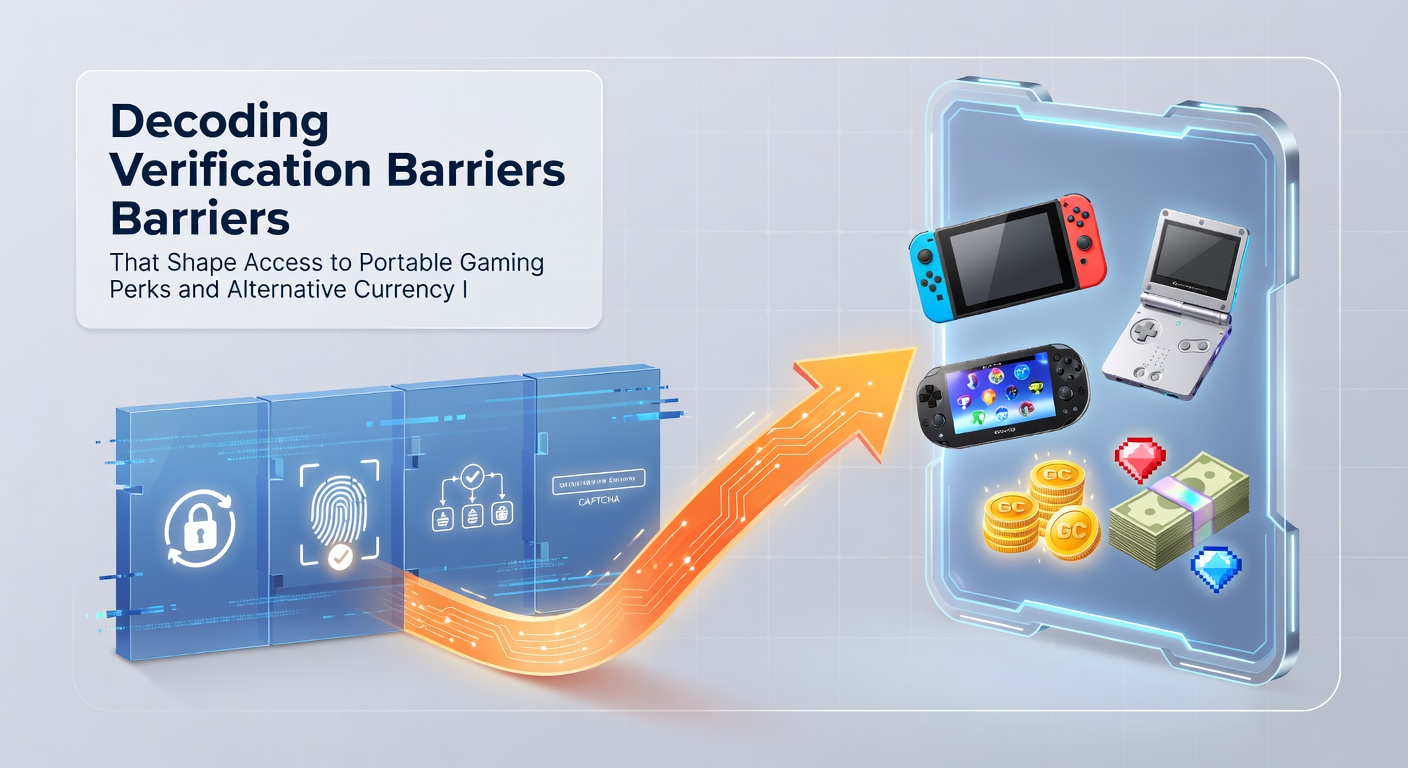
Crypto incentives operate under distinct rules that combine traditional identity verification with blockchain-specific requirements, such as wallet ownership proof and transaction history review. Platforms must confirm that digital wallet addresses belong to verified users before crediting alternative currency bonuses, a step that extends processing times beyond standard fiat methods. Figures reveal that adoption of crypto rewards in mobile gaming grew steadily through early 2026, yet verification complexity remains a limiting factor for new participants who lack prior blockchain experience.
Regulatory updates in May 2026 across several North American and European jurisdictions emphasized clearer guidelines for digital asset handling in gaming contexts, prompting operators to standardize wallet screening procedures. These changes aim to reduce fraud while maintaining player access, though implementation varies and some platforms still impose stricter crypto verification thresholds than others. Take one operator that streamlined its process by partnering with third-party blockchain analytics firms, resulting in faster approvals for verified users seeking alternative currency perks.
Regional Differences in Barrier Implementation
Verification requirements differ markedly across markets, with Canadian provincial regulators focusing on provincial residency confirmation while Australian authorities prioritize source-of-funds declarations for larger incentive claims. Platforms serving multiple regions must adapt their mobile flows accordingly, often routing users through location-specific questionnaires before unlocking rewards. Industry organizations tracking these variations report that cross-border players encounter the most layered checks, since operators apply the strictest applicable standards to avoid compliance gaps.
Academic research from European universities has analyzed how these regional differences affect access equity, finding that players in jurisdictions with streamlined digital identity systems complete verification faster and reach portable gaming incentives sooner. Meanwhile, regions without unified digital ID frameworks see higher abandonment rates during the sign-up phase, particularly when alternative currency options appear later in the flow.
Practical Outcomes and Platform Adaptations
Operators respond to verification barriers by introducing tiered access models that grant limited mobile perks after basic checks while reserving larger crypto incentives for fully verified accounts. This strategy balances regulatory demands with user experience goals, allowing partial engagement that encourages completion of remaining steps. Data shows gradual improvement in completion rates as platforms refine mobile interfaces to reduce form friction and provide clearer progress indicators.
Those monitoring industry trends point to continued evolution in verification technology, including biometric options and integration with national digital ID programs that could shorten approval windows further. Such developments may expand access to portable gaming rewards and alternative currency incentives without compromising oversight requirements.
Conclusion
Verification barriers continue to define the entry points for mobile gaming perks and alternative currency incentives, with processes shaped by regulatory frameworks, technological capabilities, and regional policies. Players who navigate these steps successfully gain access to rewards, while incomplete verifications maintain restrictions that limit participation. Ongoing adaptations in May 2026 and beyond reflect efforts to balance security with accessibility across portable platforms.